Basil is easily one of the most popular herbs in our kitchens. The great news is that it’s super versatile—it’s just as happy in a pot on your sunny windowsill as it is out in the garden bed. If you want to expand your herb garden for free, propagating with cuttings is the way to go. Here’s how to do it!
Taking Your Cuttings
- Grab a sharp pair of kitchen shears or a knife and snip off stems that are about 3 to 4 inches long. It’s basically the same process as harvesting your basil for a recipe.
- Strip off the bottom two sets of leaves from each cutting. This is a key step to prevent them from rotting once they’re in the water or soil.
Propagating in Water
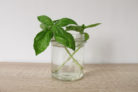
- Fill a small glass or a cute bud vase with water and pop your prepared stems right in. Keep a close eye on the water level over the next few days to make sure the ends stay submerged.
- Keep the glass in a moderately warm spot. You’ll be amazed at how fast it happens—you should see tiny roots sprouting within just a few days!
- After about two weeks, once those roots look nice and sturdy, your new plants are ready to be potted into some fresh soil.
Propagating Directly in Soil
- If you’re planting straight into soil, it’s a good idea to “disinfect” your cuttings to prevent rot. A quick trick is to dip the cut ends into some crushed charcoal powder.
- Fill a 4- or 5-inch pot with high-quality, nutrient-rich potting mix . Press the soil down firmly; you want to get rid of large air pockets so the stems can make good contact with the dirt.
- You can fit about 10 to 15 cuttings per pot. Poke them about half an inch deep into the soil and give them a good drink of water.
- To keep the humidity up, you can loosely cover the pot with clear plastic wrap. Just be careful: too much moisture can lead to mold, so make sure to lift the plastic every now and then to let it breathe.
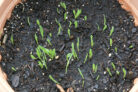
- You’ll see new growth in about a week or two. Give it another two weeks after that, and you’re ready to start harvesting!
Care Tips for Happy Basil
Basil can be a little bit of a “Goldilocks” plant. It likes to be moist but not soggy. It loves a bright spot , but too much direct, scorching sun can actually burn the leaves. And while it’s a “hungry” plant, overdoing the fertilizer can actually make the flavor a bit bland.
The best trick? Use the finger test before watering . Stick your finger in the soil—if it feels wet or if there’s water sitting in the saucer, skip the watering for today.
If the soil feels just slightly damp, that’s the sweet spot for a drink. Water just enough so that it doesn’t pool in the saucer (if it does, be sure to empty it out). If the soil is bone-dry and your basil is looking sad and wilted, a regular watering might not cut it. Instead, try a “bottom bath”: fill a bowl with water and submerge the pot (just the pot, not the leaves!) for about 10 to 20 minutes. This lets the soil fully rehydrate and helps the plant bounce back.
Pro Tip: If your basil plant is looking a bit “leggy” or old, taking cuttings is a fantastic way to rejuvenate it. You’re essentially using the old plant to start a fresh, vibrant new generation!