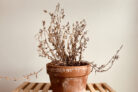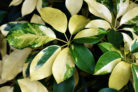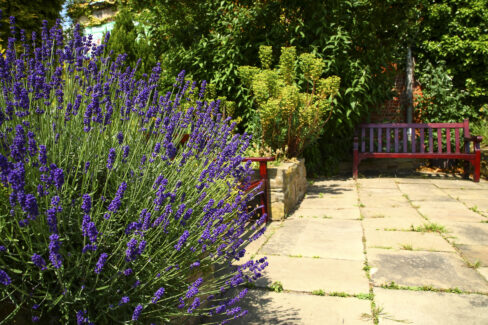
If you notice your lavender leaves turning yellow with funky black or brown spots, it’s a clear sign your plant is struggling. Usually, this is a classic case of leaf spot disease. Here’s the lowdown on what’s happening and how you can get your lavender back on track.
When Leaf Spot Attacks Your Lavender
Leaf spot is actually a fungal infection. You’ll know it’s hit your garden when you see those tell-tale yellow discolorations paired with dark spots. Because fungi can spread across a plant faster than you’d think, you’ve got to act quickly. Generally, lavender is a pretty tough cookie and doesn’t get sick easily. However, if a plant is already weakened or sitting in soil that’s way too soggy, it becomes an easy target and might eventually die off.
Here’s how to keep those fungi away in the first place:
- Avoid overwatering and “wet feet.”
- Give your plants some breathing room—don’t crowd them too closely together.
- Skip the nitrogen-heavy fertilizers.
- Make sure your lavender is soaking up plenty of direct sunlight.
How to Nurse Your Lavender Back to Health
To get a handle on a fungal outbreak, you’re going to need to be a bit ruthless with your garden shears. This means pruning back every single affected stem. Always make sure you’re using sharp, sterilized tools so you don’t accidentally spread the problem further.
A thorough pruning is usually enough to stop the fungus in its tracks and, ideally, clear it off the plant entirely. While you could reach for a fungicide, those chemicals can linger and spread throughout your garden ecosystem. A clean cut is often the safer, more eco-friendly way to go.
One last pro-tip: whatever you trim off needs to go straight into the trash (or a sealed yard waste bag). Never toss infected clippings onto your compost pile! If you do, the fungus can survive and hitch a ride back into your flower beds the next time you spread compost, infecting even more of your green friends. Better safe than sorry!