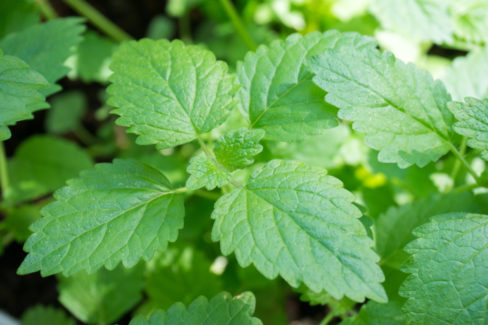
For many of us home gardeners, there’s nothing quite like the satisfaction of watching a plant grow from a tiny seed all the way to harvest. If you’re a fan of fresh herbs, you’ll be happy to know that lemon balm is a perfect candidate for this rewarding process!
Harvesting Your Seeds
Lemon balm belongs to the mint family (Lamiaceae), which produces small nutlets called “clausen.” This is where those teeny-tiny seeds—only about two millimeters long—develop. The trick to a successful harvest is watching the color of these pods; once they turn brown, the seeds are ripe and ready to go. Timing is everything, so keep an eye on the forecast. You’ll want to wait for a stretch of dry weather, as harvesting damp seeds is a recipe for mold. Make sure it hasn’t rained for a few days before you harvest.
Once you’ve gathered the brown seed capsules, simply pop them open with your fingers or a small, pointed tool. Collect the seeds and let them dry out for a few days. For storage, an airtight container is your best friend—an old, clean pickle jar works wonders! Pro tip: Toss a small piece of paper in with the seeds to soak up any lingering moisture. If you keep them in a cool, dark spot, your seeds will stay viable for up to three years.
Getting Ready to Sow
When you’re ready to plant, you have two choices: sow them directly in your garden bed or start them indoors. While direct sowing is easy, lemon balm seeds can sometimes be a bit finicky about germinating. If you want to give your seeds a competitive edge, try these gardener-approved hacks:
- Let the seeds swell for about 24 hours on a piece of damp filter paper or a paper towel.
- You can also soak them in a water bath, though using an aquarium pump to keep the water aerated helps a lot.
- A little dusting of talcum powder from the drugstore can also improve your success rate.
After soaking, you can gently use a hair dryer to dry them off until they’re easy to sprinkle. If you really want to go the extra mile, try “cold stratifying” them. Pop the seeds into a plastic bag and stick them in the crisper drawer of your fridge for a bit. While lemon balm seeds don’t strictly *require* a cold snap to sprout, a little chill time certainly won’t hurt!