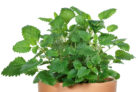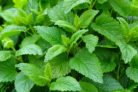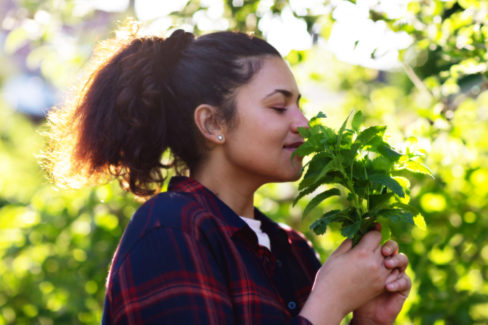
Lemon balm is a favorite in many herb gardens, and for good reason! Not only does it smell amazing, but it’s also a powerhouse medicinal herb. But if you’re growing it, you might be wondering: when exactly does this plant bloom?
When is the Blooming Season?
Most of us get our lemon balm in the ground around May. You can usually expect to see those lovely blossoms between June and August, though keep in mind that the plant typically waits until its second year to really put on a show. The flowers have that classic “labiate” (lip-shaped) look and can pop up in a few different colors. Since lemon balm is a hardy perennial, you’ll get to enjoy those blooms for many years to come.
Harvesting and the Bloom
If you’re planning to harvest your lemon balm for the kitchen, timing is everything: you definitely want to pick it *before* it flowers. The leaves pack the most punch and aroma in the days right before the buds open. It’s important to catch it at just the right moment, because once the plant starts blooming, the flavor tends to fade.
When you’re ready to harvest, keep these tips in mind:
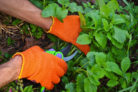
- Head out in the early morning, just as soon as the dew has evaporated.
- If it hasn’t rained in a couple of days, give the plant a good watering two days before you plan to cut.
- Always use a sharp pair of shears or a knife.
- Cut the stems about four inches (ten centimeters) above the ground.
What to Do with an Extra Harvest
Sometimes that pre-bloom harvest is so big you won’t know what to do with it all! Whatever you do, don’t toss it—this herb is way too valuable for the compost bin. A popular way to save it is by freezing; this is your best bet if you want to keep that fresh, zesty flavor intact.
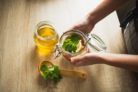
You can also make your lemon balm last longer by infusing it into apple cider or wine vinegar. Finally, there’s always the option of drying it—whether in the oven, a dehydrator, or just hanging it in the air. While drying does cause some of the aromatic essential oils to dissipate, the medicinal health benefits stay locked in, making it perfect for herbal teas.