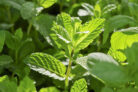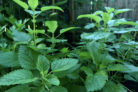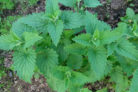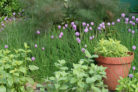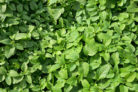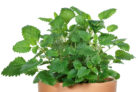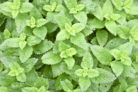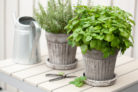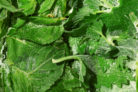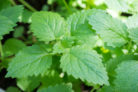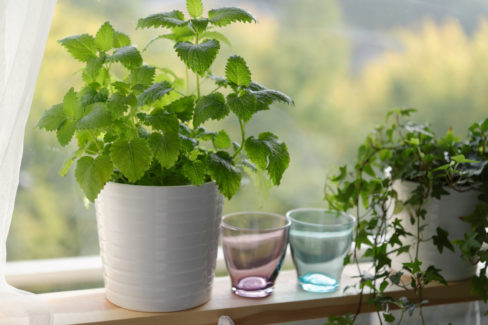
Lemon balm is a total superstar in the herb world. Not only does it taste amazing, but it’s also a fantastic natural boost for your immune system. While most people think of it as an outdoor garden staple, it actually makes a wonderful indoor houseplant too!
Finding the Perfect Spot Indoors
If you want your lemon balm to thrive inside, you’ll need to pick the right spot. Luckily, it’s not too picky! It’ll be perfectly happy in a sunny window or even a spot with partial shade. Plus, you don’t have to worry about it taking over your living room—indoors, it usually tops out at around 24 inches (60 cm) tall.
How to Care for Your Lemon Balm
Since your indoor plants aren’t getting any help from the rain, you’ll need to stay on top of watering. The rule of thumb is to grab your watering can as soon as the top layer of soil feels dry to the touch. Just make sure not to let it sit in a puddle—if there’s still water in the saucer after 20 minutes, go ahead and pour it out. Pro tip: Use room-temperature tap water that’s been sitting out for a bit; your plants will thank you!
To keep your lemon balm lush and green, a liquid herb fertilizer is the easiest way to go. During the growing season (April through August), you can feed it about every two weeks. Just a little heads-up: always water with plain water first before adding fertilizer. This helps protect those sensitive roots from being burned by fertilizer salts.
Every now and then, your plant might need a little haircut. If it starts growing wild and your regular harvesting for tea isn’t keeping it in check, don’t be afraid to prune it back. Just make sure to leave at least one or two pairs of leaves on the stem. Even if you give it a pretty heavy trim, it’s a resilient plant and will bounce right back.
What About the Winter Months?
Out in the garden, lemon balm overwinters all on its own without any help. Indoors, it’s just as easy. You don’t need to do anything fancy; just keep an eye on the changing light and cooler indoor temps. You’ll want to scale back on the watering and only offer a bit of fertilizer every six to eight weeks during the winter lull.
Growing Lemon Balm Indoors: The Quick Hits
- Pick a spot that gets sun or partial shade.
- Water with room-temperature, “aged” tap water when the soil feels dry.
- Use a liquid herb fertilizer to keep it nourished.
- Always water with plain water before fertilizing to protect the roots.
- Prune as needed to keep the shape under control.
- Cut back on water and food during the winter months.