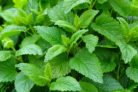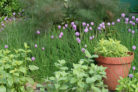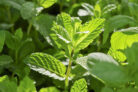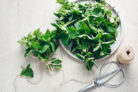
Lemon balm is famous for its incredible citrus aroma and is a total staple in the kitchen. But if you think the only time to grab your garden shears is during harvest season, think again! In this post, I’ll walk you through why (and when) you should be pruning this fragrant herb.
Harvest Time
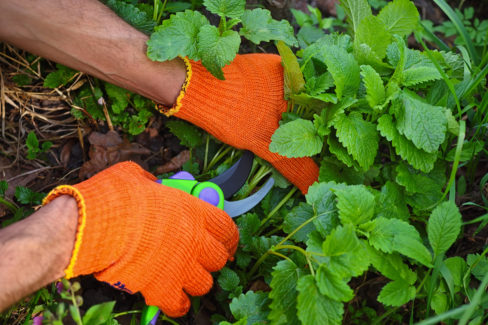
Most of us home gardeners dream of a lush, overflowing lemon balm patch. The good news? If you treat it right, this plant won’t let you down—you can actually harvest it up to four times a season in ideal conditions! When you’re ready to snip some sprigs, keep these tips in mind:
- Aim to harvest a few days before the plant starts to bloom for the best flavor.
- Always use clean, sharp shears or scissors.
- The “sweet spot” for harvesting is early morning, right after the dew has evaporated.
- Cut the stems back to a height of about 4 inches (10 centimeters).
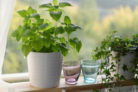
If you end up with a bumper crop, you’re probably wondering how to keep that freshness alive. You’ve got options: you can infuse it in oil or vinegar, freeze it, or dry it. Usually, preserved lemon balm stays good for about a year. Which method you choose really just depends on how you plan to use it later! By the way, lemon balm also makes a fantastic houseplant if you want that scent indoors.
Cutting Back in the Fall
If you check out the lemon balm profile, you’ll see it’s listed as “hardy,” meaning it handles frosty temperatures like a champ. Even so, the plant likes to retreat into its “cozy nest”—the rhizome—for the winter. Once it goes dormant, the old stems, leaves, and flowers don’t really serve a purpose anymore. While leaving the dead growth can provide a tiny bit of extra insulation against the cold, let’s be honest: withered brown stalks aren’t exactly a look. You can choose to cut the plant back either in late fall or early spring.
Saving Your Seeds
Left to its own devices, lemon balm is a pro at propagating itself. However, if you want to keep things organized and controlled, you can take over the job! Before you do your big fall cleanup, keep an eye out for seeds. You’ll find them inside the small brown fruits; make sure to pluck them before the plant scatters them all over your garden bed. You can sow these seeds directly in the fall or start them indoors in March to get a head start on spring.