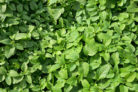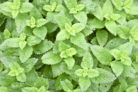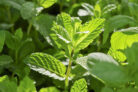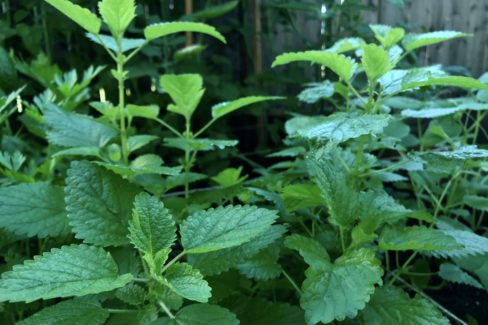
You’ll find lemon balm in almost every herb garden these days. It’s a total superstar—not just for adding a zingy kick to your cooking, but also as a base for soothing salves and teas. But the big question for us gardeners as the seasons change is: can lemon balm actually handle the winter? Let’s dive into what you need to know.
Is Lemon Balm Winter Hardy?
Even though it has Mediterranean roots, lemon balm is surprisingly tough and winter hardy. You really only need to worry about extra protection if you’re expecting a brutal deep freeze. For plants established in your garden beds, the lemon balm will naturally retreat into its rhizomes (underground stems) for the winter. The leaves and flowers will start to wither away once they’ve finished their job for the season.
You’ve got a choice here: you can prune your lemon balm right before winter hits, or wait until spring. While those dead stems do offer a tiny bit of natural insulation, let’s be honest—they can make the garden look a little messy. Either way, those hardy rhizomes don’t usually need extra frost protection and will bounce back just fine on their own.
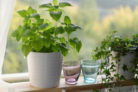
If you’re growing lemon balm as a houseplant, you don’t need to do much differently. Just keep an eye on your care routine. Since there’s less light and the indoor air might be drier, you’ll want to adjust your watering. You can also scale back on the plant food—fertilizing once every six to eight weeks is plenty during the winter months.
Caring for Potted Lemon Balm
When planted in the ground, lemon balm roots can survive temperatures as low as -4°F. However, potted plants are a different story because their root balls are much more exposed to the cold. If your lemon balm is in a container and you don’t have a frost-free spot to move it to, here’s how to keep it cozy:
- Cut the stems back close to the soil line.
- Move the pot against a south-facing wall for extra warmth.
- Place the pot on a wooden pallet or a piece of Styrofoam to insulate it from the cold ground.
- Wrap the pot itself in garden fleece or burlap.
- Cover the top of the soil with a layer of straw.
What About Sowing Seeds?
Lemon balm seeds are naturally winter hardy, which is why they often self-seed so easily in the fall. This means direct sowing in the garden is totally an option. While the germination rate is around 50%, the seedlings that do make it are usually incredibly robust. You can protect your outdoor seeds with some brushwood or coconut mats during the winter—just remember to remove the cover early in the spring so the new growth can breathe!