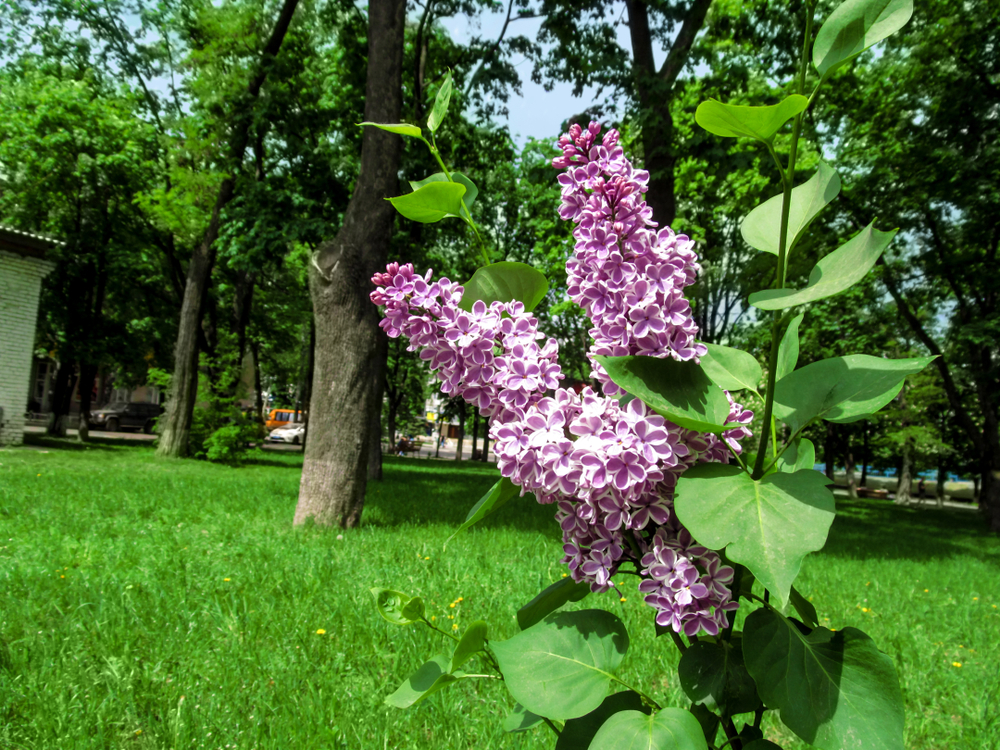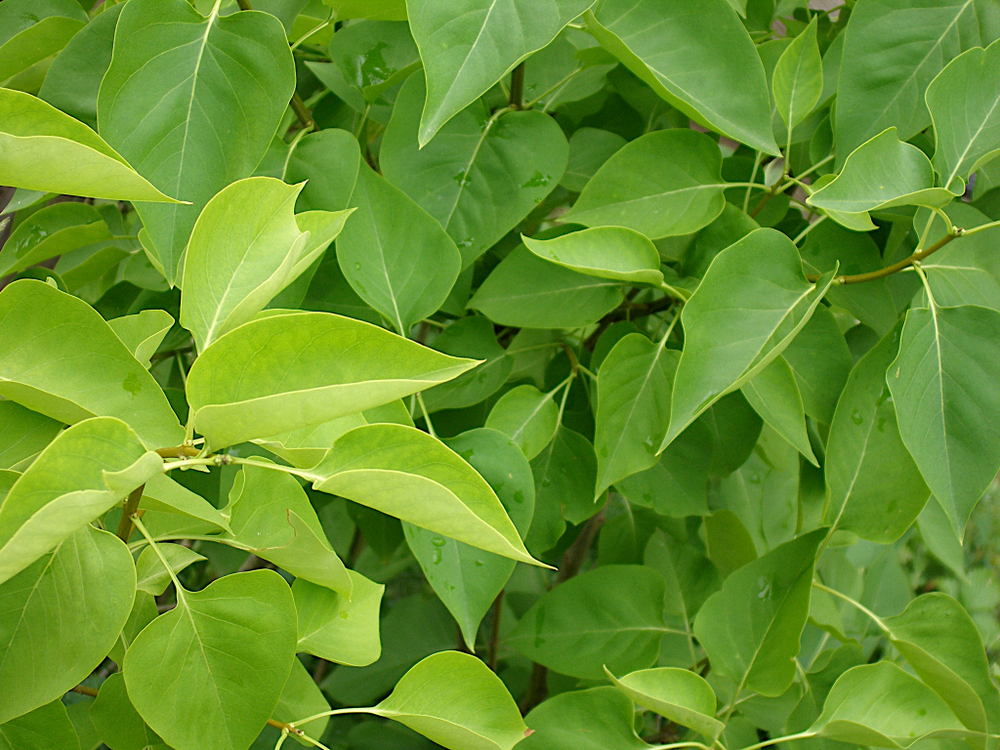
We all know the best part about lilac season is that incredible, nostalgic scent. It’s the ultimate sign that spring has arrived! That’s why it’s so frustrating when your lilac bush refuses to bloom. If you’re staring at a lot of green leaves but zero flowers, don’t worry—there are usually a few common culprits, ranging from a bad “roommate” situation (location) to a little too much tough love with the pruning shears.
Location, Location, Location
Lilacs are total sun worshippers. If they’re stuck in too much shade—or even partial shade—they’ll get “lazy” and stop producing flowers. You’ll also notice the growth slowing down and the canopy looking a bit thin. If your lilac is living in the shadows, it’s time to consider moving it to a sunnier spot.
Believe it or not, these hardy shrubs handle dry heat much better than they handle a lack of sun. When picking out a new home for your lilac, try to find a spot that’s also protected from harsh winds. You can check out our guide on the perfect lilac location right here.
Soil Quality and General Care
It’s not just about the sun; the ground beneath your lilac’s “feet” matters too. Since lilacs have extensive root systems, it’s a good idea to loosen the soil around them every now and then. For the happiest blooms, your soil should be:
- Rich in lime (especially in the spring)
- Nutrient-dense
- Well-draining
- Consistently moist (but not soggy!)
The biggest deal-breaker for a lilac is “wet feet.” They hate standing water and poor drainage much more than they mind a little drought. If your lilac isn’t blooming or is dropping its new buds prematurely, you might be dealing with root rot. For more on that and other lilac diseases, take a look at this info.
If your soil is just a bit nutrient-poor, you’ll usually see fewer flowers rather than none at all. You can fix this with a phosphorus-rich fertilizer in the spring before the buds open. Give it another light feeding after the flowers fade. Compost or organic all-purpose fertilizers work great too—just don’t overdo it! If you give it too much nitrogen, you’ll get a massive, fast-growing bush with plenty of leaves but zero flowers.
Pruning Mistakes
Going a little too wild with the hedge trimmers is a classic reason for a flowerless spring. If you prune too aggressively or damage the branch collars, the plant won’t have the energy (or the old wood) to bloom. Lilacs really only need a light “haircut.” Focus on deadheading the spent flowers right at the base and removing branches that are dead, rubbing together, or blocking light from the center of the bush.
Avoid pruning while the plant is actively blooming, especially with young shrubs. A pro tip: if your neighbors can’t even tell you’ve pruned the bush, you’ve done it perfectly! For a deeper dive, check out our tips on how to prune lilacs.
A Few More Lilac Facts
First off, patience is key! Young lilacs need time to mature before they put on their first big show. Even if you bought an older shrub, the stress of transplanting means it might take a season or two to settle in. It’s totally normal for a lilac to take up to three years to start blooming consistently.
If you’re looking for faster results, “French Hybrid” (Edelflieder) varieties tend to bloom a bit sooner. However, if it’s been over three years, the location is sunny, the soil is great, and you’re still seeing zero buds, it might be time to swap that stubborn shrub out for a fresh start.