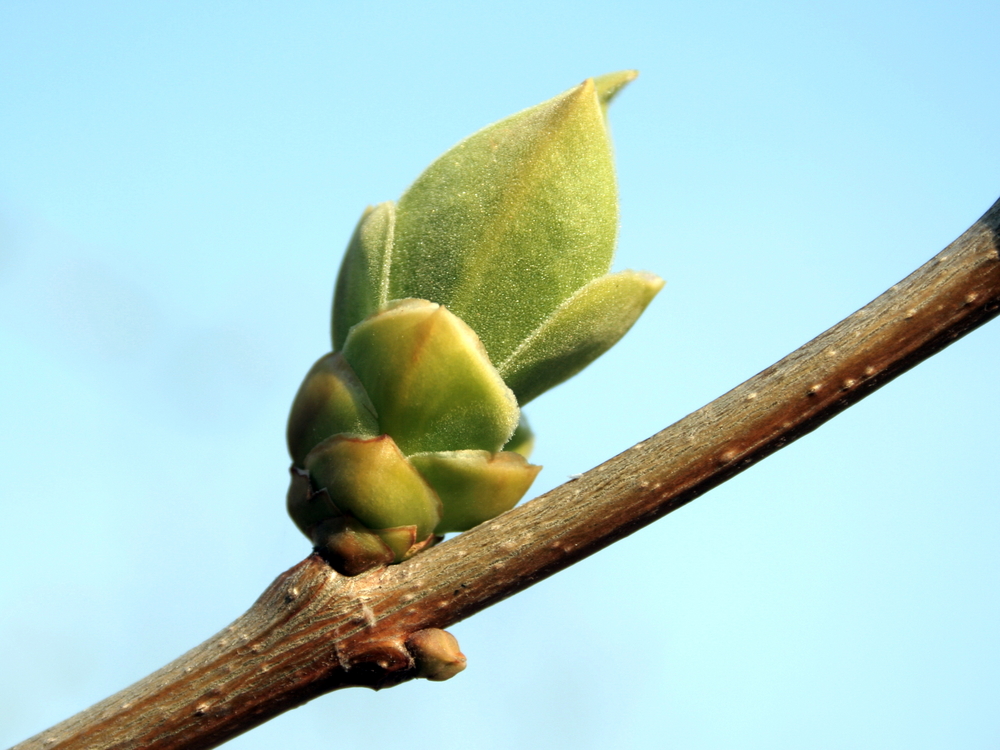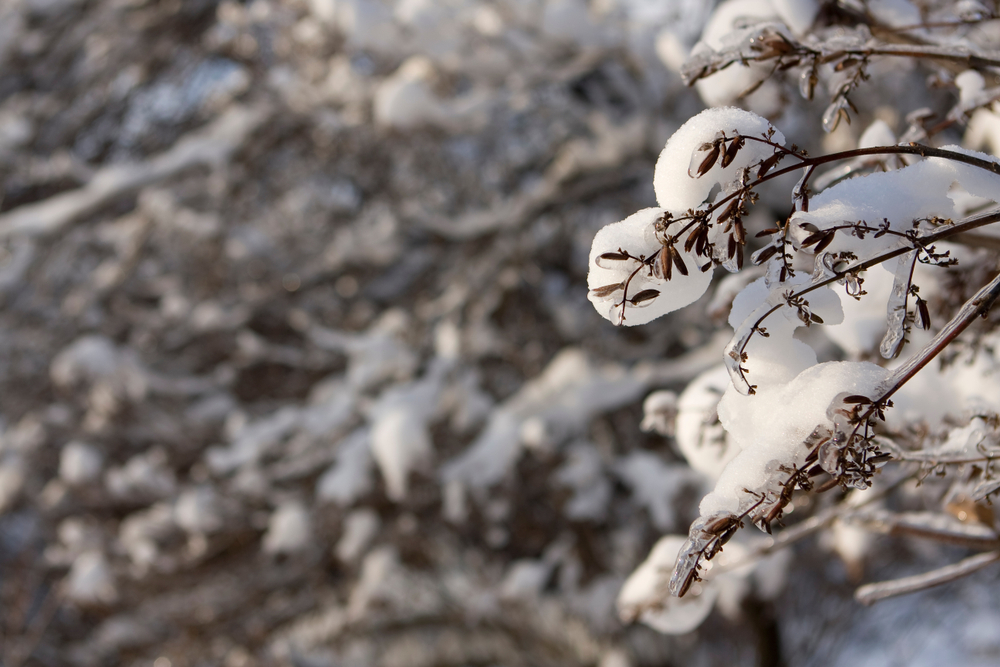
As long as you’ve planted your lilac in the ground rather than growing it in a container, it’s generally considered very hardy. For the most part, you won’t need to do anything special to help it survive the winter. The only exception is if a late spring frost hits—in that case, it’s a good idea to cover those tender, newly emerging buds with some garden fleece to keep them from freezing.
How to Keep Your Lilac Safe All Winter
If you’ve just planted a brand-new lilac or have a very young shrub, you’ll want to play it safe and wrap it in garden fleece for the winter. Young plants haven’t quite built up their “winter muscles” yet and need a few years to become fully hardy. After about three or four years, they should be able to handle the cold on their own. It’s also a smart move to protect the root zone with a nice layer of brushwood or mulch.
Now, if you’re growing your lilac in a pot, winter protection is a must. Wrapping the pot and the plant in fleece is your best bet. You should also place the container on a piece of Styrofoam or a wooden pallet to insulate the roots from the freezing ground. Don’t forget to top the soil with mulch or evergreen branches for extra warmth.
Just a quick heads-up: don’t confuse the Common Lilac (*Syringa vulgaris*) with the Butterfly Bush (*Buddleja davidii*). Even though they look similar and share a name, they aren’t actually related. Here are a few quick facts about their winter hardiness:
- *Syringa vulgaris* is extremely hardy, while *Buddleja davidii* can be a bit more sensitive to extreme cold.
- *Syringa vulgaris* generally doesn’t suffer from dieback (except during those pesky late frosts) and will sprout reliably every year.
- *Buddleja davidii* often dies back to the ground in winter, but don’t worry—it’s a tough plant and usually grows back just fine in the spring.
Winter Care Tips
Once your lilac is tucked in and the roots are protected, there isn’t much left for you to do. However, if you’re dealing with late frosts, make sure to remove the fleece during the day when the sun is out and things start to warm up. Lilacs love direct sunlight, which is the secret to those beautiful blooms. Just remember to wrap them back up before the sun goes down and the temperature drops.
If your lilac is looking a bit leggy or sparse and needs a “rejuvenation prune” (a heavy cut-back), late winter is the perfect time to do it. This helps the plant grow back thicker and fuller. Just make sure to pick a day that is dry and above freezing. For your standard maintenance pruning, wait until early summer right after the flowers have faded.