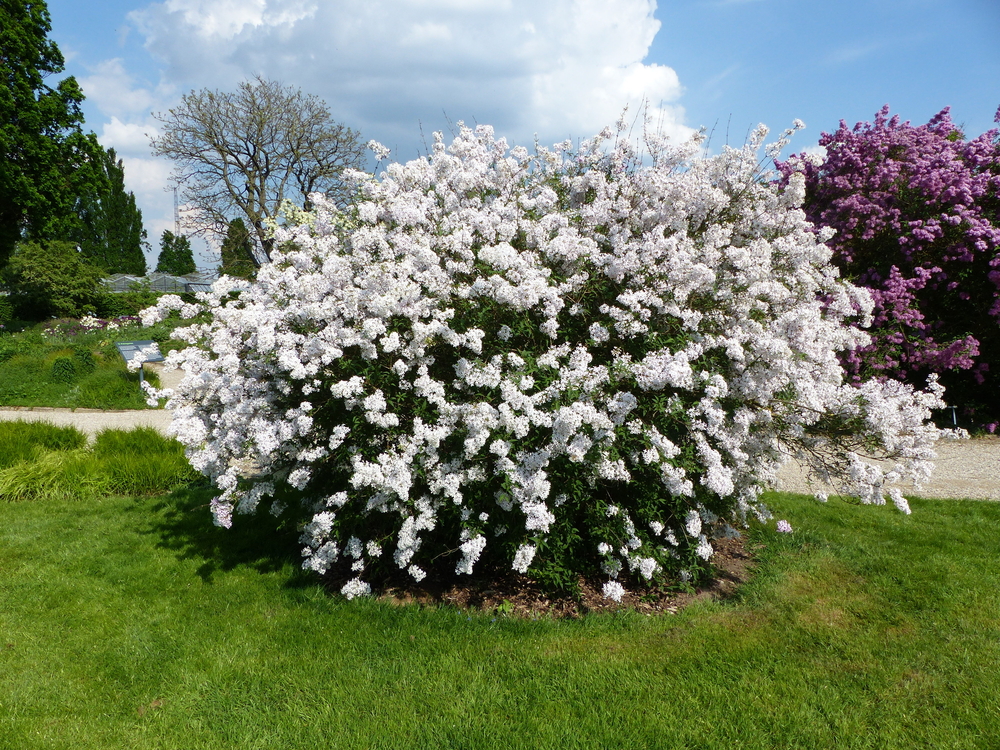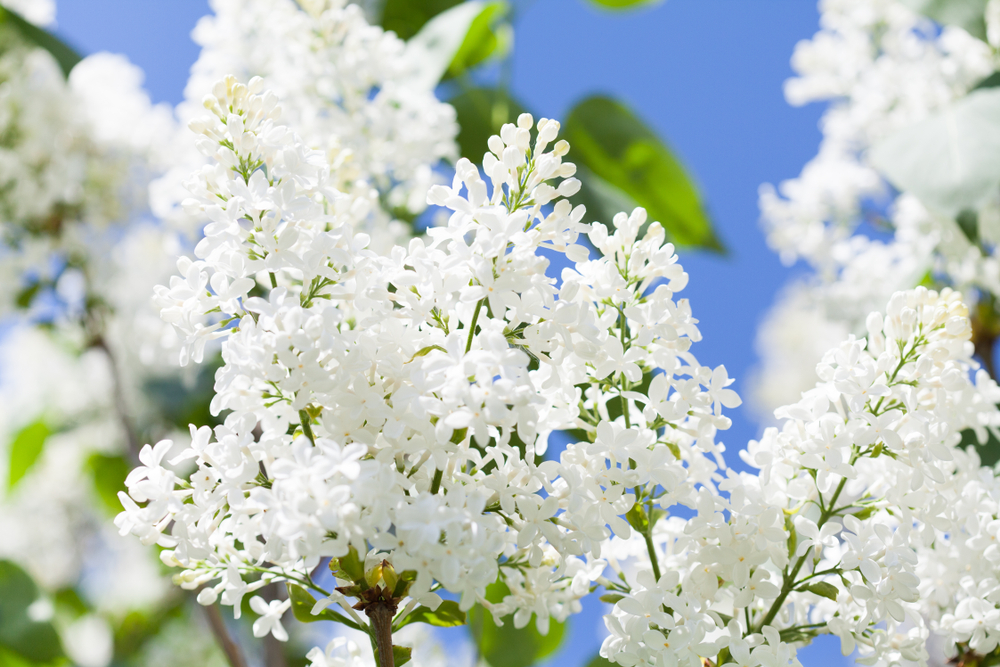
If you’re thinking about giving your lilac bush a little haircut, timing is everything! Generally speaking, lilacs are pretty low-maintenance and don’t actually *need* a regular pruning to stay healthy. Even those wild, overgrown bushes you see in older gardens will usually keep right on blooming year after year.
The Best Time to Prune Your Lilacs
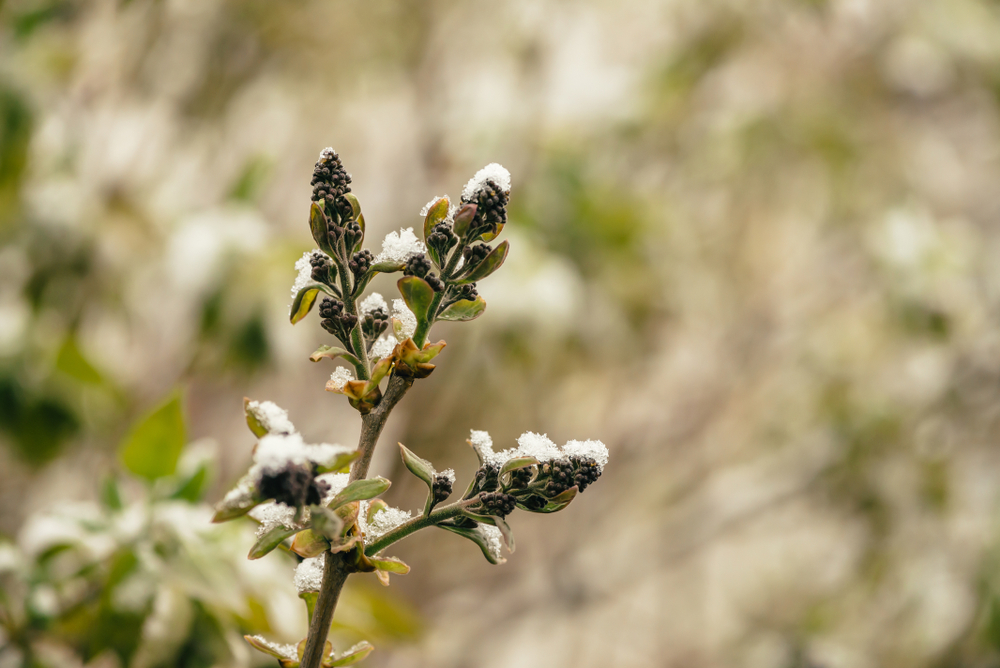
The golden rule for lilacs? Prune them immediately after they finish blooming. If you give them a light trim once a year right after the flowers fade, you’ll be rewarded with a bushier shape and an explosion of flowers next season. Whatever you do, avoid pruning in the winter or early spring. Lilacs actually set their flower buds for the following year during the previous summer. If you prune too early in the year, you’ll accidentally snip off all those future flowers, leaving you with a lilac bush that won’t bloom.
Now, if you’re planning a “radical” rejuvenation cut (where you’re more worried about the shape than the flowers), you can do that any time of year as long as it’s not freezing outside. In either case, try to pick a dry day—and ideally a warm one for your routine maintenance. Dry weather helps the cuts heal faster, which lowers the risk of diseases and pests moving in.
How to Prune After Blooming
Before you start, make sure your pruning shears are nice and sharp so you get clean cuts without tearing the wood. Here’s what you should look to remove during your annual maintenance:
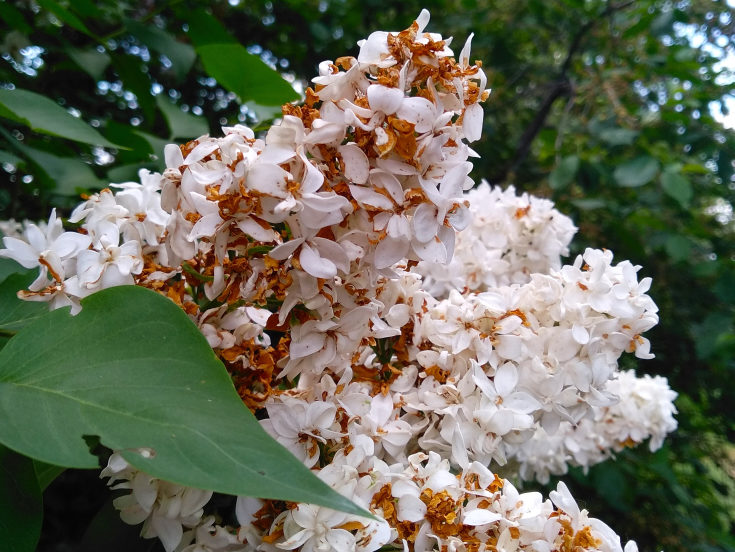
- Brown, dried-up flower clusters (deadheading),
- Any dead or brittle wood,
- Old, woody stems that aren’t producing much anymore,
- Very thin, spindly, or “leggy” branches.