Harvesting your own Lily of the Nile (Agapanthus) seeds is a super easy way to expand your garden collection. If you’ve already got one of these beauties growing, you’re halfway there! Here’s the lowdown on how to collect those seeds and what it means for your plant’s blooming season. Follow these tips, and you’ll be a seed-harvesting pro in no time.
Spotting Seeds on Your Lily of the Nile
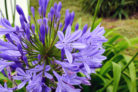
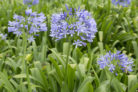
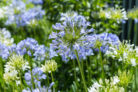
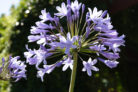
The Lily of the Nile—or Agapanthus, if you want to get fancy—is famous for those stunning clusters of blue flowers that turn any backyard into a paradise. Once those blooms fade, the plant naturally produces seeds to spread its wings. If you catch them at the right moment, you can easily start new plants to fill in other spots in your garden.
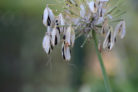
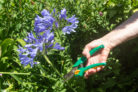
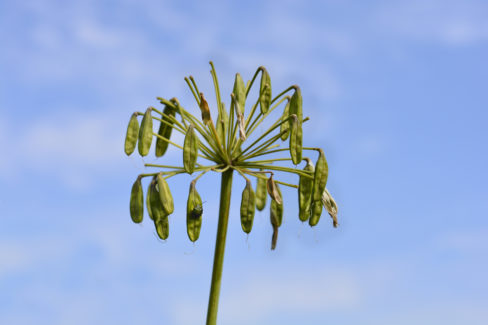
Here’s the trade-off, though: if you want a longer flowering season, the usual advice is to deadhead the spent blooms. Cutting them back encourages the plant to put its energy into making more flowers. But if you’re after seeds, you’ve got to skip the haircut! Leave those faded flowers alone and wait for the seed pods to develop and ripen.
How to Grow Your Own Agapanthus from Seed
You’ll want to gather your seeds in the fall. Once you’ve collected them, store them in a dry, well-ventilated container until spring. As soon as winter bows out, you can sow them directly in a sunny spot or—my personal recommendation—start them indoors in starter pots. Just fill your pots with a good seed-starting mix, place the seeds on top, and keep the soil consistently moist.
The Ideal Spot for Your Lily of the Nile:
- Plenty of direct sunlight
- Dry to moderately moist soil
- Sandy, well-draining soil
Keep your pots in a bright, sunny window, and within a few weeks, you’ll see those cute little green shoots popping up. Once they’ve grown strong enough, they’re ready to be transplanted. Just a heads-up: wait until the very last threat of frost has passed before moving your new babies outside!