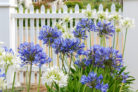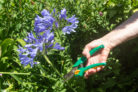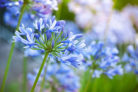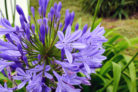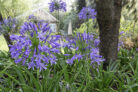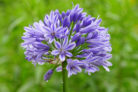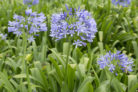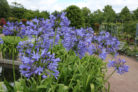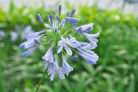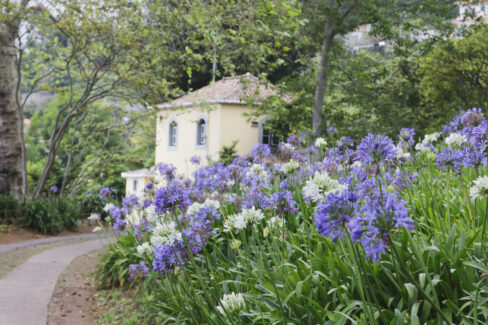
If you want your garden to be a sea of stunning blue blooms, getting your Lily of the Nile (also known as Agapanthus) off to a great start is key. These beauties are showstoppers, but they do have a few specific preferences. Here’s everything you need to know about planting Agapanthus bulbs to ensure they thrive in your green oasis.
Finding the Perfect Spot
The name “African Lily” isn’t just for show—these plants hail from the sunny regions of Southern Africa. Because of their roots, they are total sun-worshippers. When choosing a location, make sure your Agapanthus gets plenty of direct sunlight. While they can technically survive in partial shade, you’ll get way more of those iconic, lush flower clusters if they’re soaking up the sun. And let’s be honest, those big blooms are exactly why we plant them!
Soil quality is the next big thing. You’re looking for soil that stays moderately moist to dry. These plants actually love sandy or gravelly soil. While the Lily of the Nile is pretty tough when it comes to drought, it absolutely hates “wet feet” (standing water). Make sure your planting spot has excellent drainage so the roots don’t rot.
How to Plant Your Lily of the Nile
Timing is everything. The best time to get your bulbs in the ground is in the spring, once the threat of frost has passed. Generally, March or April is the sweet spot. This gives the plant the whole spring season to get established before the summer heat kicks in. Here’s your step-by-step game plan:
- Pick a sunny spot in your garden or prep a large container.
- Create a drainage layer at root level (using gravel or pebbles).
- Set the bulbs in place and fill the hole with a high-quality substrate.
- Give them a moderate watering to settle the soil.
- Feed them with fertilizer once a month.
When it comes to feeding, don’t go overboard—you don’t want to over-fertilize. A bit of compost or a standard liquid fertilizer once a month during the growing season works wonders. Once summer starts winding down, stop fertilizing altogether. This helps the plant naturally prepare for the cooler months ahead.