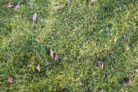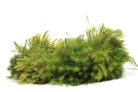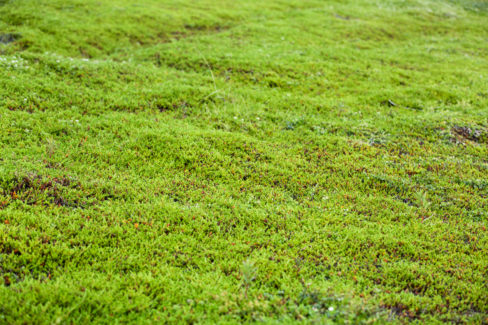
Sometimes, people actually use moss as a lush groundcover in those tricky, damp spots where nothing else grows. But let’s be real: if you’re dreaming of a picture-perfect lawn, seeing green moss creeping in feels more like an unwanted invasion. If you’re looking to kick the moss to the curb, adding lime to your soil is one of the most effective tricks in the book.
Why is Moss Taking Over Your Lawn?
Moss absolutely loves shade and moisture. If your yard spends most of the day in the shadows, it’s basically an open invitation for moss to move in. But the real culprit is often the soil’s pH level. Grass is happiest when the soil is slightly acidic to neutral (between 6.0 and 7.0). If your soil becomes too acidic, the grass struggles, but moss thrives.
How Lime Helps
Think of lime as a soil balancer, not a weed killer. It neutralizes the acidity, making the environment much less “cozy” for moss. It’s important to remember that lime won’t kill existing moss instantly; instead, it acts as a preventative measure to make sure the moss doesn’t come back once you’ve cleared it out.
When is the Best Time to Lime?
Timing is everything! The best window for liming your lawn is during that transition period between late winter and early spring. You want to wait until the ground is no longer frozen so the soil can actually absorb the nutrients.
Getting the Dosage Right
More isn’t always better. Over-liming can actually do more harm than good to your soil’s health. Before you start spreading, do yourself a favor and grab a soil test kit from your local hardware store. It’s a quick way to see exactly where your pH stands.
Once you have your results, use these general guidelines for how much lime to apply (per roughly 10 square feet):
- If your pH is below 5.3: You’ll need a heavier application, about 150 to 500 grams.
- If your pH is between 5.3 and 6.5: A lighter touch of 130 to 380 grams should do it.
- If your pH is above 6.5: You’re in the clear! No lime needed.
How to Properly Lime Your Lawn
To make sure the lime really gets down into the root zone where it can do its job, follow these steps:
- Mow and dethatch (verticut) your lawn first. This clears out the existing moss and debris.
- Use a broadcast spreader to ensure the lime is distributed evenly across the entire yard.
- Give the lawn a good soak with the hose right after. This helps the lime settle into the soil.
- Wait a few weeks, then test the pH again. If it’s still too low, you can do a second application.
Pro Tip: Use Dolomitic Lime for a Magnesium Boost
If your grass is looking a little yellow and tired, it might be craving magnesium. In this case, reach for Dolomitic lime. It contains magnesium, which helps the grass produce chlorophyll. The result? A much deeper, vibrant green lawn that’ll be the envy of the neighborhood.