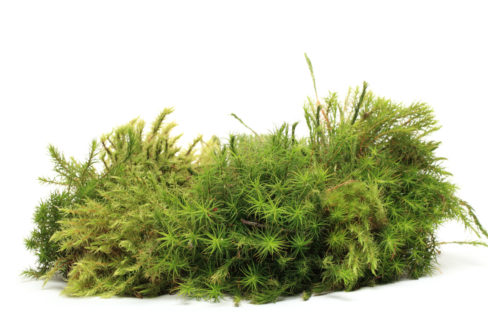
Using a dethatcher (or scarifier) is a great way to kick that unwanted moss out of your lawn. But once you’re done, you’re usually left with a mountain of green debris. The good news? You can absolutely toss that moss onto your compost pile, but there are a few “pro tips” you need to know to do it right.
Getting Rid of Moss by Dethatching
If you’re looking to clear out moss, dethatching is one of the most effective methods out there. However, it leaves you with a bit of a cleanup project. So, what’s the best way to handle all those piles?
Can You Compost Moss?
The short answer is yes, you can compost dethatched moss. But don’t just dump it in a heap and walk away! If you simply throw it on the pile, the seeds and spores can actually survive and start growing all over again. Plus, moss tends to mat down, which often leads to rot and mold rather than healthy decomposition.
The Secret: Hot Composting
To turn that moss into “black gold” for your garden, you need to use a “hot composting” method. This generates enough heat to break down the tough moss fibers. Here’s how to do it properly:
- Spread the dethatched moss in thin layers across your compost pile.
- Sprinkle each layer with some rock flour or garden lime (you can find these at any local garden center).
- Alternate the moss layers with plenty of other organic materials.
Pro tip: Make sure the very bottom layer of your compost bin consists of coarse materials (like small twigs) and has direct contact with the ground. This allows worms and helpful microorganisms to crawl up and get to work on the decomposition process.
Mixing It Up
Moss breaks down best when it’s mixed with a variety of other garden waste. Try to balance your moss with things like:
- Grass clippings
- Dry leaves
- Manure
- Feathers
- Eggshells
- Uncooked kitchen scraps
A Big No-No: Moss Treated with Iron Sulfate
If you used a moss killer containing iron sulfate (often found in “weed and feed” products) before dethatching, do not put that moss in your compost. Iron sulfate is toxic and will linger in your finished compost. If you spread that tainted compost back onto your garden beds later, you could end up harming your favorite plants.
Using Dethatched Moss as Ground Cover
You don’t *have* to compost that moss! It actually makes a pretty decent ground cover for bare spots in your yard where grass won’t grow. Just let the moss dry out a bit, spread it over the area you want to go green, and give it a good watering. Before you know it, you’ll have a lush, green moss carpet.