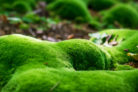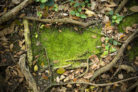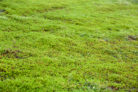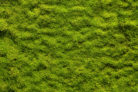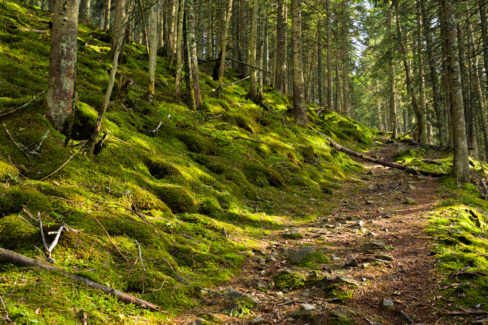
In the gardening world, we call moss an “indicator plant.” Think of it as nature’s way of giving you a status report on your yard. Moss is actually pretty picky about where it sets up shop, so if you see it popping up, it’s telling you a specific story about your soil and environment. Here’s a breakdown of what that green carpet is trying to say.
What Exactly Are Indicator Plants?
To gardeners and botanists, indicator plants are species that have a very low tolerance for changes in light, temperature, or soil quality. They’re the “Goldilocks” of the plant world—they only grow where conditions are *just right*. Even a small shift in the environment can cause them to pack up and disappear.
How to Use Indicator Plants to Your Advantage
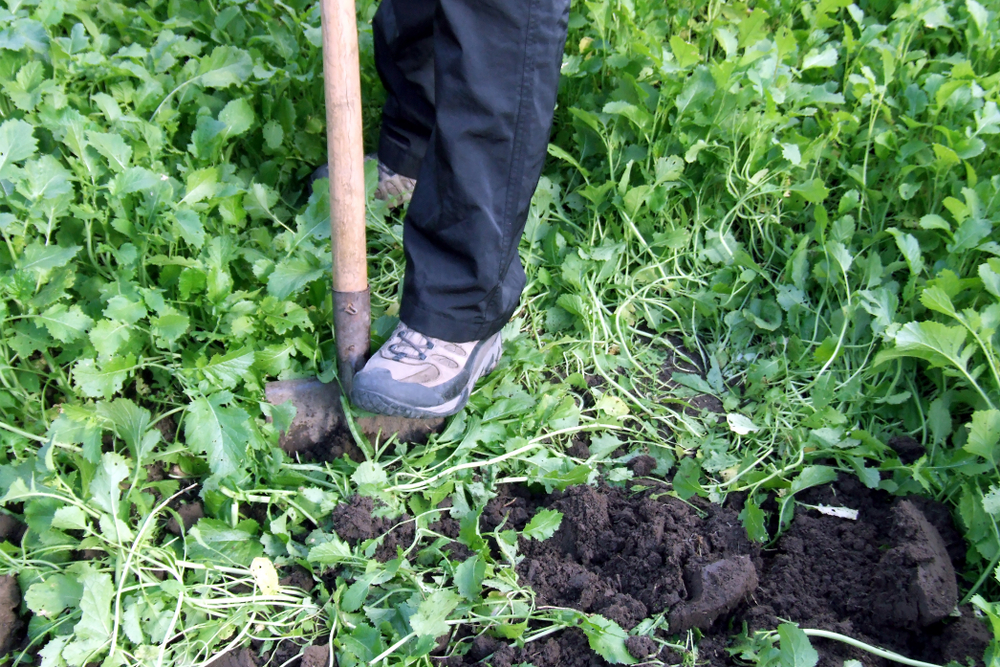
Because these plants are so fussy, you can use them as a DIY soil test. Instead of sending samples off to a lab for a pricey analysis, you can just look at what’s growing naturally. If moss is thriving in your garden, you’ve already got a head start on understanding your land.
This knowledge is a game-changer for planning your landscape. By paying attention to where moss grows, you can choose other plants that love those same conditions. If moss likes it there, other shade-loving, moisture-seeking plants probably will too!
What Moss Reveals About Your Yard
So, what is moss actually signaling? If you see a patch of moss, it’s usually a sign of these five things:
- The spot is low-light or heavily shaded.
- The area stays cool and has high humidity.
- The soil is “lean” (low in nutrients) or rocky.
- The ground is consistently damp or has poor drainage (standing water).
- The soil is acidic, with a pH level below 5.5.
Moss in Your Lawn
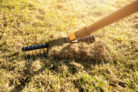
If moss is taking over your grass, it’s a huge hint that your soil is likely acidic, wet, and heavily compacted. On the flip side, if you keep your lawn well-fed, sunny, and dry, moss usually won’t even try to move in.
Specific Moss Types and Their Secrets
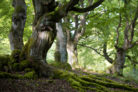
Some moss varieties are even more specific about what they signal. For example, Stairstep Moss, Red-stemmed Feathermoss, and Great Scented Liverwort are usually found in coniferous forests. If you spot Broom Forkmoss, you’re likely looking at very acidic soil in a fir forest. Peat moss is a dead giveaway for high acidity and boggy conditions, while certain “strong-veined” mosses (like Cratoneuron) point to wet soil that is actually rich in bases rather than acids.