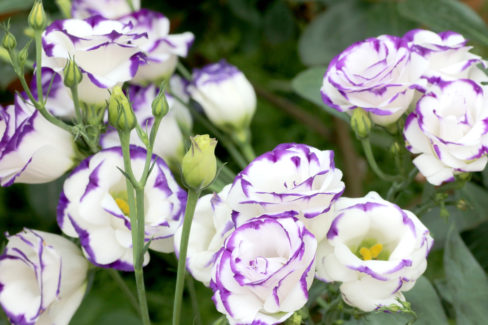
Meet the Eustoma, also known as the Lisianthus or Prairie Gentian. A proud member of the Gentian family, this beauty traces its roots back to the wide-open prairies of Mexico, Nebraska, and Texas. While its famous cousin, the wild Gentian, loves the great outdoors, the Lisianthus we usually see is best suited for life as a houseplant. It makes for a stunning, long-blooming indoor companion, though it’s important to know it typically bows out after its flowering season. That said, you can find some specific varieties these days that work great as annuals in your garden beds!
All About the Lisianthus
There was a time when you’d only spot Eustoma in professional floral arrangements as a cut flower. Thankfully, breeders started developing shorter, potted versions so we could enjoy them at home. If you pick one up in full bloom, it’ll brighten your space for weeks. Just keep in mind that these plants are short-lived; once they’re done blooming, they usually call it quits. My pro tip? Buy your Eustoma right at the start of its blooming season in July. That way, you get to enjoy a steady stream of new buds all the way through September. The variety of colors and shapes is honestly incredible. You can find them in:
- Creamy white
- Dusty rose
- Deep violet
- Pure white
- Blue
- Crimson red
- Yellow
- Bicolors
- Single or double blooms
Caring for Your Eustoma
Good care starts with finding the perfect “sweet spot.” Whether indoors or out in the garden, your Lisianthus wants plenty of light but can’t handle harsh, direct midday sun. A little morning or evening sun is plenty! They’re perfectly happy in standard room temperatures or warm summer weather. For soil, you’ll want something well-draining and rich in organic matter. They prefer a pH between 5 and 6, so your standard high-quality potting soil usually does the trick just fine.
When it’s blooming time, the Eustoma is a thirsty guest. However—and this is a big “however”—you have to watch out for standing water. They are very prone to root rot, so “moist but not soggy” is your mantra here. To keep the plant looking lush and bushy, mix a bit of liquid fertilizer into your watering can once a week. These attractive plants usually top out at about 12 inches (30 cm) tall and start showing off those big, bell-shaped flowers in July. Since they are short-lived, you don’t need to worry about repotting or pruning them.
Can You Overwinter Eustoma?
Even though they are generally treated as temporary guests, you can certainly try to keep them going through the winter. Once the flowering is over, move your Eustoma to a bright room that stays cool—somewhere between 50°F and 60°F (10-15°C). Cut back on the watering significantly and skip the fertilizer entirely during this rest period. With a little luck, you might just see it bounce back!