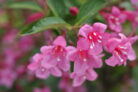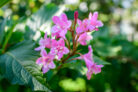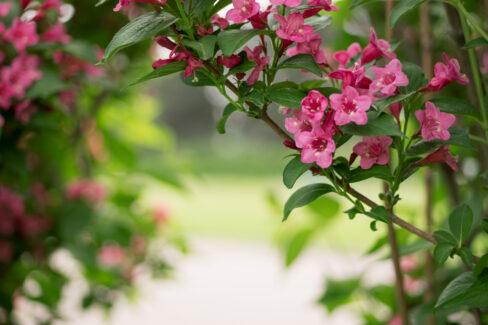
With its colorful, trumpet-shaped blooms and easy-going nature, the weigela is a total showstopper in any backyard. If you’re looking to add this eye-catching shrub to your own green oasis, you’re in the right place! I’m going to walk you through exactly how to get your weigela off to a great start.
What should you consider before planting weigelas?
If you want those iconic flowers, sunlight is absolutely non-negotiable. When picking out a spot in your garden, aim for full sun. If a weigela is stuck in the shade, it simply won’t bloom, and even partial shade will seriously cut down on its flower power.
Next, let’s talk soil. If you’re dealing with heavy clay, try mixing in some fine gravel or sand to help with drainage. For nutrient-poor soil, a healthy dose of well-rotted compost before planting will give your shrub the boost it needs. If you’re growing your weigela in a container, make sure the pot has drainage holes and a layer of gravel at the bottom to prevent “wet feet” (root rot).
Don’t forget to give them some elbow room! Weigelas grow pretty fast and like to spread out. Here’s a quick guide for spacing:
- As a standalone specimen: 6.5 feet (2 m)
- As a standard hedge: 5 feet (1.5 m)
- For dwarf variety hedges: 3 feet (1 m)
When is the best time to plant weigelas?
Spring and fall are the “sweet spots” for planting, though you can technically plant them in the summer too. Just keep in mind that the summer heat can be stressful for a new plant, so you’ll need to be extra diligent with the watering can.
How do you actually plant a weigela?
Getting your weigela in the ground is a breeze—whether you bought a new one or propagated it yourself. Before you start moving it to its new home, give the root ball a good soak to make sure it’s nice and hydrated. Then, just follow these steps:
- Loosen up the soil in your chosen spot. Remember to mix in that sand and compost if your soil is heavy or poor.
- Dig a hole that is significantly wider and deeper than the root ball.
- Gently place the weigela into the hole.
- Fill the space back in with soil and firm it down gently with your hands to remove air pockets.
- Give it a generous watering to help it settle in.