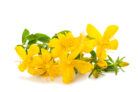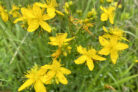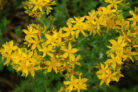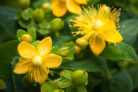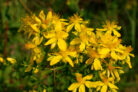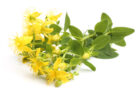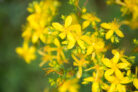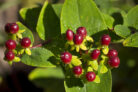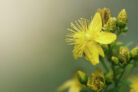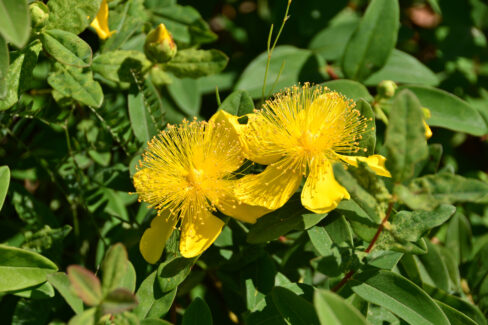
St. John’s Wort is a superstar in the world of herbal medicine. While you can often find it growing wild, many gardeners prefer to grow it themselves to ensure a steady supply of those cheerful yellow flowers and healing leaves. The best part? It’s incredibly low-maintenance. If you’ve got a sunny spot, you can grow this hardy perennial with ease.
Starting from Seed in the Spring
The first step to getting your herb garden started is sourcing your plants. You can easily grow St. John’s Wort from seeds—either grab a packet from your favorite garden center or collect some yourself in the late summer. You can start your seeds indoors as early as March, or sow them directly into your garden beds in late April or early May. If you’re running behind, a late summer planting works too, though you’ll have to wait until the following year to see any blooms.
One quick pro-tip: St. John’s Wort seeds are “light germinators,” meaning they need light to sprout. Don’t bury them deep! Just press them into the soil or cover them with a very thin dusting of earth. Once your seedlings are about 2 to 4 inches tall, thin them out or transplant them, leaving about 6 to 12 inches between plants. They look great tucked in with other medicinal herbs like comfrey and mugwort, or even paired with geraniums in front of a green hedge.
The Perfect Spot and Soil
To get the most out of those iconic yellow blossoms, you’ll want to pick a spot that gets full sun to partial shade. As for the soil, St. John’s Wort isn’t too picky, but it thrives best in conditions that are:
- Moderately moist
- Rich in organic matter (humus)
- Slightly alkaline (pH-wise)
- Deep and well-draining
- Sandy or even a bit rocky
Care and Winter Maintenance
Once established, St. John’s Wort practically grows itself. Give it a little compost in the spring and make sure to water it during those scorching summer dry spells. Since it’s a hardy perennial, it handles winter like a champ without much help. If you live in a particularly harsh climate, a light covering of brush or mulch can provide some extra protection. In the fall, simply cut the stems back to the ground.
Quick Tip:
If you’re growing this for its medicinal properties rather than just its looks, don’t over-fertilize! Too many nutrients can actually lower the concentration of the active compounds that make the plant so useful.
How to Harvest Your St. John’s Wort
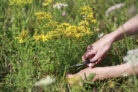
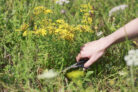
The best time for harvesting is between June and August when the plant is in full bloom. Since both the leaves and the open flowers are used, you can simply cut off entire stems. Bundle them together and hang them to dry in a well-ventilated area. Just make sure they’re out of direct sunlight during the drying process to preserve their quality.