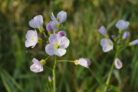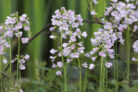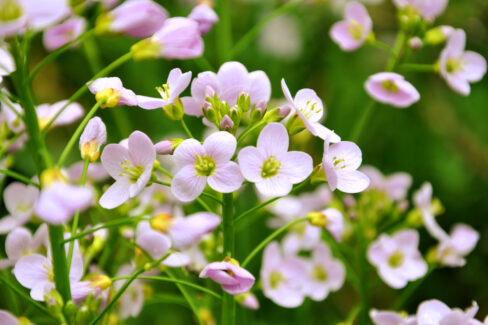
With its delicate pink or white blossoms, the Cuckooflower (also known as Lady’s Smock) is a classic meadow beauty that kicks off the spring season early. Sadly, it’s becoming a rare sight in many areas. In fact, it’s been placed under conservation protection in several regions and was even named “Flower of the Year” back in 2006 to highlight its importance.
Where to Find Cuckooflower
As you might guess from its natural habitat, Cuckooflower loves wild, untouched meadows with plenty of moisture. You’ll also spot it in floodplain forests, damp marshlands, or even tucked into the lawn of a nature-friendly backyard. It’s a great fit for creek banks and pond edges, too. The secret to those lush blooms? Rich, nutrient-dense soil that stays consistently moist.
The Blooms
Depending on the weather, Cuckooflower starts showing off its colors as early as late March or early April. It sends up long stems topped with clusters of small, four-petaled flowers. These stems grow out of a leafy rosette that sits flat against the ground. Since not much else is blooming during those chilly early spring days, it’s a vital “first snack” for bees and butterflies. You can enjoy these delicate white, pink, or pale violet flowers all the way through June. Best of all? It’s completely non-toxic and can even be harvested as an edible wild herb.
Ideal Location and Soil
To get the most out of your Cuckooflower, you’ll want to mimic its natural environment. Here’s what it looks for in a home:
- A spot in full sun to partial shade
- A warm, airy environment
- Nutrient-rich soil
- Loamy, fresh, and moist ground
- A neutral pH (around 7)
While you’ll find it most often in wetlands and damp woods, it will thrive beautifully in your garden near a pond or a backyard stream.
Care and Maintenance
The most important rule for Cuckooflower is to never let it dry out—it loves its “feet” wet! In early spring, you can give it a little boost with some organic nitrogen fertilizer (like horn meal). Once the flowers fade, go ahead and trim the spent stems back down to the leafy base. Wait until autumn to do a full cutback close to the ground. Generally, Cuckooflower is quite hardy, but a light blanket of fallen leaves in the winter doesn’t hurt. If it’s the plant’s first year in your garden, definitely give it some extra protection with a layer of leaves and brush to help it through the frost.