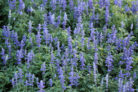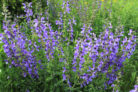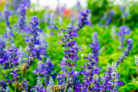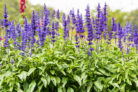
Meadow Sage loves to wander away from its wild roots to add a touch of natural beauty to our home gardens. But don’t let its adventurous spirit fool you—this plant is still very picky about its living conditions. If you want to see that famous explosion of blooms (and let’s be honest, who doesn’t?), you’ve got to give it exactly what it’s looking for.
The More Sun, the Better
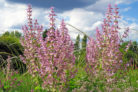
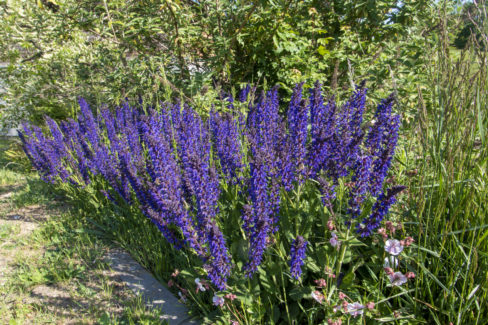
In the wild, you won’t find Meadow Sage (scientifically known as *Salvia pratensis*) hiding under the shade of a big tree. It wants nothing but wide-open skies. In your garden, that means finding a spot with full, unapologetic sun. Giving this wildflower a sun-drenched home isn’t just a favor to the plant; it’s a gift to yourself, too. The more sun it gets, the more spectacular its blooming season will be. Under the bright sun, you can expect a show starting in April or May and lasting all the way through August, featuring a gorgeous array of white, pink, or deep blue-violet flowers.
If you try to tuck it away in the shade, Meadow Sage will struggle to grow and barely produce any flowers. Even if it does bloom, those flowers will likely be sterile. Plus, a shade-grown plant won’t develop those aromatic essential oils that make its use as a medicinal herb so effective.
Getting the Soil Just Right
While the sun does the heavy lifting from above, the soil needs to do its part from below by providing the right nutrients and drainage. Whether you are sowing seeds or putting transplants in the ground, your soil should ideally be:
- Lean but still nutrient-rich
- Calcareous (alkaline/lime-rich)
- Loose and well-draining
The biggest “no-no” for Meadow Sage is soggy feet—it cannot stand waterlogging. On the flip side, don’t worry too much about a little drought. This plant grows a taproot that can reach up to three feet deep, allowing it to pull moisture from deep underground even when the surface is dry.
Room to Grow and Good Neighbors
Meadow Sage is a social butterfly and loves sharing space with plants that have similar tastes. If you’re going for that “natural meadow” look, try pairing it with daisies, yarrow, or bellflowers. To make sure everyone has enough elbow room to thrive, aim for a planting distance of about 16 inches. That usually works out to about 4 or 5 plants per square yard.
Just a heads-up: if you don’t deadhead the spent blooms before they go to seed, Meadow Sage will happily take over more territory through self-seeding. If you want to keep it contained, keep your garden shears handy!
Can You Grow Meadow Sage in Pots?
While it definitely won’t work as a houseplant, Meadow Sage can do great in a large container on a sunny balcony or patio. The same rules apply: it needs maximum sunlight and well-draining, slightly acidic soil to really take off.
Quick Tip:
Want to dive deeper into the details? Check out more interesting facts in our Meadow Sage Profile.