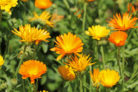
Marsh Marigolds are a favorite among native spring perennials, feeling right at home in those damp, soggy spots in your yard. Their bright yellow, cup-shaped blooms sit atop delicate stems and can stick around until June, depending on the variety. If you’re thinking about adding these beauties to your garden, it’s a good idea to get to know their quirks first. Here’s a quick “cheat sheet” to get you started.
Marsh Marigold Essentials at a Glance
The Marsh Marigold goes by many names. Scientifically, it’s *Caltha palustris*, but you might hear it called Kingcup, Cowslip, or Mayflower. These plants have actually become quite rare in the wild, and in some areas, they’re even protected. If you want to grow them by your garden pond, make sure to buy them from a reputable nursery—never dig them up from the wild! Here is how you can identify a true Marsh Marigold:
- It’s a member of the Buttercup family (*Ranunculaceae*).
- You’ll find them in wetlands across the Northern Hemisphere.
- They are hardy, herbaceous perennials with strong root systems.
- They typically grow between 8 and 16 inches tall.
- Most have yellow cup-shaped flowers, though a white variety hails from the Himalayas.
- Flowers can reach up to 2 inches in diameter.
- Each little bloom packs about 100 stamens.
- The main blooming season is from March to June, though the “double-flowered” varieties might give you a second show in late summer.
- They feature dark green, kidney-shaped leaves at the base.
- The leaves just below the flower are slightly serrated (toothed).
- After blooming, they develop seed pods that self-sow when ripe; the seeds are often spread by water.
- Heads up: All parts of the plant are slightly toxic. If you have sensitive skin, you might get a little irritation if you touch them.
- They love moist to wet soil in partial shade, though they can handle full sun if they stay wet enough.
- Ideally, the soil should be loamy or clay-heavy.
- The best time to plant them is from late August to mid-October.
Caring for Your Marsh Marigolds
Whether they’re by the pond or in a boggy patch of a wild meadow, Marsh Marigolds are pretty low-maintenance. The secret to success is picking the right spot: sunny to partial shade with nutrient-rich soil that stays consistently damp or wet. They’re perfectly happy sitting right in the marshy zone of a garden pond. Don’t worry if the soil dries out for a very short period; these plants are tougher than they look.
If you’re planting them in a flower bed rather than a pond edge, just make sure the ground stays moist. Give them plenty of water regularly and toss in a little organic fertilizer (like horn meal) every now and then to keep them happy.