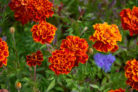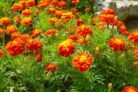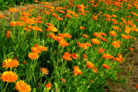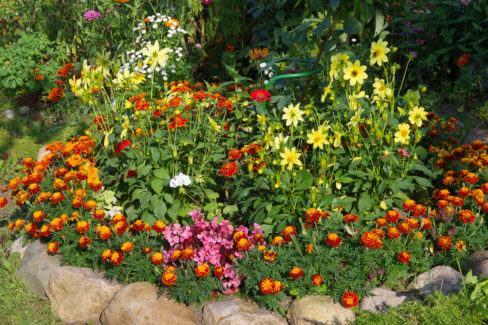
You’ll often spot marigolds (Tagetes) right in the heart of a garden bed, whether they’re hanging out with other flowers or guarding the veggie patch. Positioned like that, they’re right in the line of fire for the sun—but honestly, that’s exactly how they like it! Those vibrant, cheerful blooms are basically a “thank you” note to the sun.
Marigolds Crave Warmth and Light
These beauties originally hail from sun-drenched Mexico, so to keep them happy, you’ll want to recreate that vacation vibe. Make sure to plant them in a spot that gets full sun. We’re talking direct sunlight from morning until evening if possible.
- South or southwest-facing spots are your best bet.
- Avoid areas shaded by tall walls or oversized neighbor plants.
The “Studentenblume” (as they’re known in Germany) didn’t just bring bright orange and yellow hues with them; they also brought a bit of flexibility. They’ll do okay in partial shade as long as they’re still getting plenty of bright light throughout the day.
Quick Tip:
Even if you have the perfect spot ready early in the spring, wait until mid-May to move your marigolds outside. They are definitely not frost-hardy and will freeze if a late frost hits.
In the Flower Bed, the Veggie Patch, or a Pot
Where does a marigold shine brightest during its blooming season? Deciding where to put them is half the fun (and maybe a little tough because they look good everywhere!). Here are a few ideas:
- Mixed in with other ornamentals in a flower bed.
- Right in the middle of your vegetable garden.
- As a colorful border along paths (shorter varieties are perfect for this).
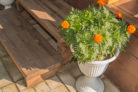
- In pots on your balcony or patio.
If you grow them yourself, you’ll usually end up with so many seedlings that you won’t have to choose—you can put them everywhere! Propagation is super easy and budget-friendly just by sowing seeds.
Marigolds: The Ultimate Garden Helpers
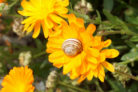
Dealing with a nematode problem in your soil? Then you’ve found the perfect spot for some marigolds. They produce natural substances that kill off harmful nematodes, protecting your other plants. They also act as a “trap crop” for slugs—slugs love them so much they’ll often leave your lettuce alone to snack on the marigolds instead. And hey, if you’re feeling adventurous, the flowers are actually edible for humans, too!
Soil Preferences
Marigolds aren’t particularly picky when it comes to soil. However, because they work so hard to produce all those flowers, it’s a good idea to mix some mature compost into the soil right before planting time to give them a nutritional boost.