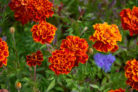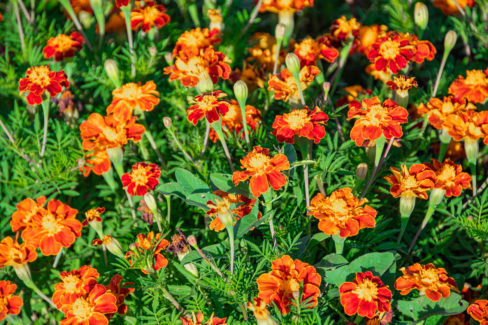
Marigolds are such prolific bloomers that you really should never run out of new plants! However, just leaving a few wilted flowers on the stem isn’t a total guarantee that you’ll get viable seeds. You’ve got to time your harvest just right to get the best results.
Seeds are the key to a new season
Marigolds (often called *Tagetes* in the botanical world) are originally from Mexico. Because of those sunny roots, they are not frost-hardy, which means they can’t survive a typical winter outdoors in most US climates. While they are technically perennials in their native habitat, it’s usually only worth overwintering them if you have a very special or edible variety. For most of us, the easiest way to keep them coming back year after year is to propagate them from seed.
Harvest your own seeds instead of buying them
You can find marigold seeds just about anywhere—even grocery stores and discounters sell cheap packets in the spring. But why spend the money when you can get them for free? If you already have marigolds in your garden, you’re in luck. These plants aren’t just great bloomers; they are massive seed producers. All you have to do is pick out a few of your favorite flowers during their long blooming season and let them stay on the plant after they fade.
Quick Note:
If you’re harvesting seeds from hybrid varieties, the “offspring” might look a little different than the mother plant. Still, it’s a fun experiment and usually well worth the effort!
How to tell when the seeds are ripe
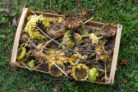
If your plants are in a sunny spot and you let nature take its course, the first seeds will ripen all on their own. Your job is simply to wait until fall for the harvest. You’ll know they’re ready when the flower head looks completely dried out and crispy.
- The flower head must be 100% dry.
- Wait for a sunny day to snip them off.
- The seeds are tucked away in the base of the flower head.
- Carefully peel back the dried casing with your fingers to reveal the seeds.
- The seeds look like thin little sticks, about 1/4 to 1/2 inch long.
- They usually have a dark end and a lighter end.
- Gently separate the seeds from any leftover dried petals or debris.
- Spread them out on a paper towel indoors for a few days just to make sure they are bone-dry.
Storing your seeds until planting time
Once they’re dry, pop your seeds into a paper envelope. Store them in a cool, dry place until you’re ready to sow them. You can start them indoors in late February or wait to plant them directly in the garden once the soil warms up in late spring.
Pro Tip:
Marigolds are light germinators, meaning the seeds need a bit of light to wake up. When sowing these seeds, don’t bury them deep—just press them into the soil or cover them with a very fine dusting of earth.