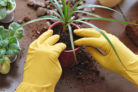
With their plump, juicy leaves and unique shapes, succulents are basically nature’s living sculptures. Some varieties even surprise you with vibrant blooms that can totally transform your garden or windowsill. The best part? You don’t need to be a pro to grow your collection. Here’s my go-to guide on how to propagate these exotic beauties using simple cuttings.
The Best Time to Take Succulent Cuttings
Technically, you can try propagating succulents any time of year. However, if you want the best results, you should aim for the plant’s active growing season—which for most succulents is in the spring.
When a plant is waking up and ready to grow, its cuttings are much more likely to take root quickly. Just a heads-up: if you have winter-blooming succulents, their “spring” actually happens in late summer. For those guys, wait until the end of their summer dormancy before you start snipping.
How to Prep and Cut Your Succulents
First things first: pick out a healthy leaf or a nice-looking stem segment. You’ll want to use a sharp, clean tool—think a scalpel, a razor blade, or a very thin knife. Make sure to disinfect it first to keep things sterile.
Once you’ve made your cut, let the “wound” air dry for a few minutes. This stops the sap from flowing and helps prevent rot later on. Here’s your step-by-step checklist:
- If you’re using a stem cutting (like from a Jade plant), strip the leaves off the bottom half of the stem.
- For leaf cuttings, some gardeners like to use a razor to nick the edges slightly to encourage growth.
- Fill a tray or pot with a mix of succulent starting soil and coconut coir (a 2:1 ratio works wonders).
- Lightly mist the soil with soft, filtered water or rainwater.
- If you have stem cuttings, tuck them about two-thirds of the way into the soil.
- If you’re using leaf cuttings, just lay them flat on top of the soil and press them down gently so they make good contact.
Caring for Your New Succulent Babies
While they’re busy growing roots, your little cuttings need a cozy spot. Find a warm windowsill that gets plenty of light but isn’t in direct, scorching sun. Keep an eye on the soil—whenever it feels dry, give them a gentle misting with soft water. Before long, you’ll see tiny new plantlets sprouting along the edges of the leaves.
Once these “pups” are about an inch tall (2-3 cm), you can carefully separate them from the original leaf and move them into their own pots. They’ll need a bit more water than an adult succulent during those first few weeks of growth, but be careful! Make sure the soil drains well so they don’t end up with “wet feet” (root rot).