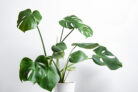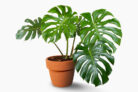
The Swiss Cheese Plant (Monstera) usually waits until it’s well-established to show off its flowers. But when it finally does, you might be lucky enough to see a fruit develop. Believe it or not, the Monstera fruit is actually edible! Just a heads-up, though: every other part of the plant is toxic, so keep those leaves away from your mouth.
It takes twelve months for a Monstera fruit to ripen
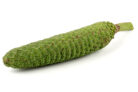
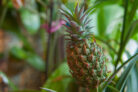
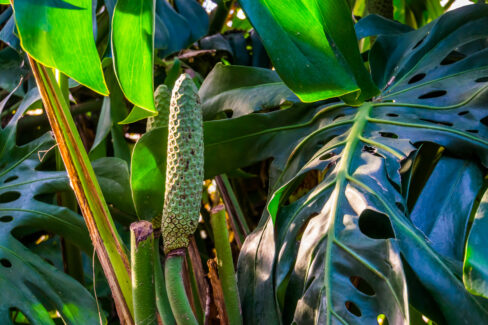
It can take a good ten years before a Monstera plant is ready to start blooming. Once those flowers are pollinated, this member of the arum family grows a cob-like fruit that can reach up to 8 inches long. It’s covered in a rind made of dark green, hexagonal scales. Tucked underneath that armor is the edible, creamy-white flesh.
What does a Monstera fruit taste like?
Whatever you do, don’t try to eat the fruit before it’s ready. Unripe Monstera fruit is hard, sour, and packed with oxalic acid, which can be really irritating. You’ll know the fruit is perfectly ripe when:
- The dark green rind fades to a lighter green.
- The scales start to loosen or fall off on their own.
- The flesh inside is soft and creamy-white.
- The fruit gives off a sweet aroma, almost like a ripe peach.
The texture and flavor are a wild mix of banana and pineapple—which is exactly why people often call it the “Pineapple Banana.” It’s pretty healthy, too, consisting of about 77.8% water, 0.85% minerals, and 1.8% protein. At just 74 calories per 100 grams, it’s a guilt-free tropical treat.
Don’t confuse your Monstera with a Philodendron!
You’ll often see Monstera plants mislabeled as Philodendrons at the garden center. While they both belong to the arum family, they are actually different genera. This is a super important distinction if you’re planning on a snack, because Philodendron fruit is toxic! Only the fruit of the *Monstera deliciosa* (as the botanical name suggests) is safe to eat.