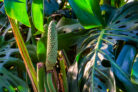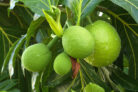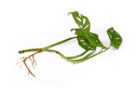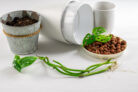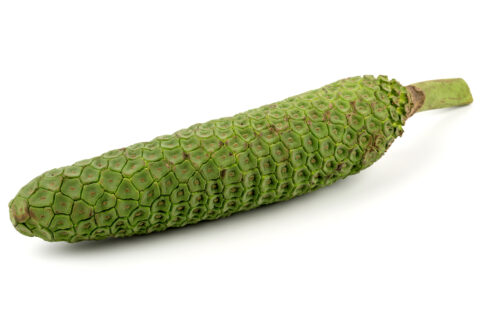
If you’ve got a Monstera taking over your living room, you’re probably already obsessed with those iconic leaves. But did you know you might be sitting on a tropical goldmine? If you’re patient and lucky, your plant can actually produce fruit! And get this—it’s totally edible. It tastes like a delicious mix of banana and pineapple, which is exactly why it’s called *Monstera deliciosa*. If you want to try and get your Monstera to bloom and fruit, here’s the lowdown on how to make it happen.
Check Your Spot
If you want those flowers to show up, location is everything. Ideally, your Monstera needs a spot with bright, indirect light (think dappled shade) and zero drafts. These plants are total divas when it comes to sudden temperature drops, so keep them away from chilly windows in the winter. High humidity is the real secret sauce for triggering blooms. Once you find that “sweet spot” where your plant is happy, leave it there! Monsteras are homebodies; if you move them around too much, they might get stressed and skip the flowering stage altogether.
Pro-Tips for More Blooms
When grown as a houseplant, a Monstera can take up to ten years before it blooms for the first time and starts developing fruit. To give your plant the best shot at reaching that milestone, keep these care tips in mind:
- Water your slightly acidic soil as soon as the top layer feels dry to the touch.
- Give the leaves and aerial roots a regular misting to keep humidity up.
- Keep those leaves shiny! Wipe off dust with a damp cloth so the plant can “breathe.”
- Stick to rainwater or filtered tap water (they aren’t fans of lime/hard water).
- Feed it with liquid fertilizer every two weeks from April through September.
- During the “off-season” (October to March), scale back fertilizing to every four to six weeks.
A quick word of advice: never cut off those healthy aerial roots! Your Monstera uses them to soak up extra water and nutrients. You can trim off the occasional dead leaf at the bottom, but otherwise, try to avoid pruning. The more leaves your plant has for photosynthesis, the more energy it has to produce those elusive flowers.
Enjoying the Tropical Harvest
Patience is key here—it can take up to a full year for the fruit to fully ripen. You’ll know it’s ready when the scales of the skin turn light green and start to loosen. Peel those back, and you’re in for a serious treat. It’s like a tropical vacation in a single bite!