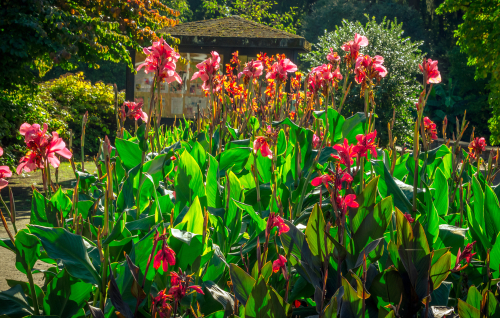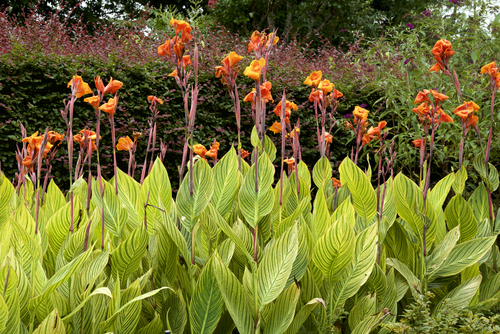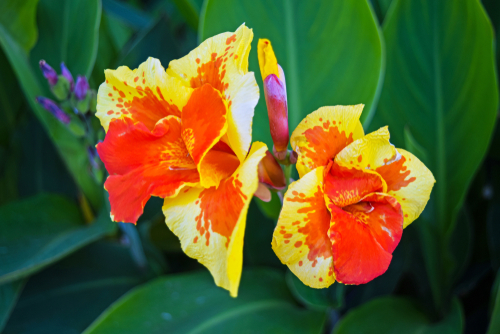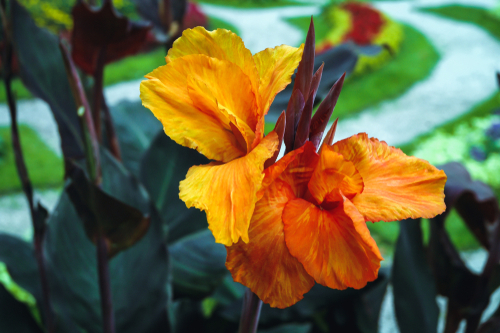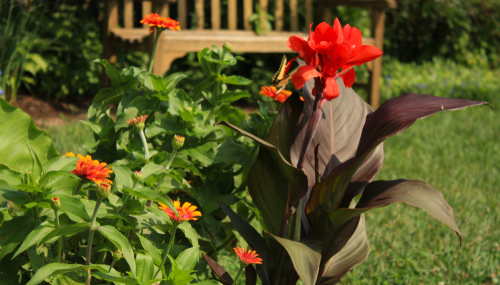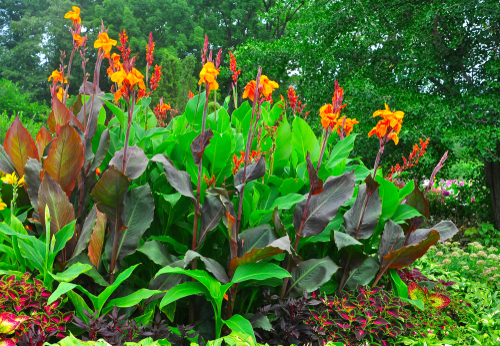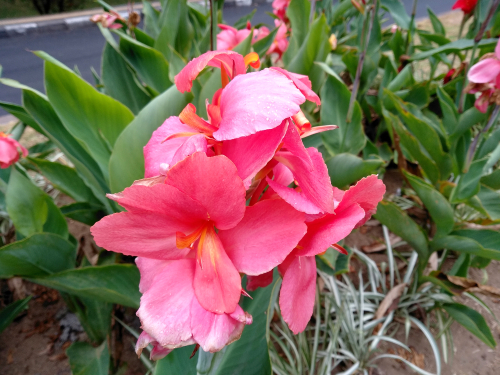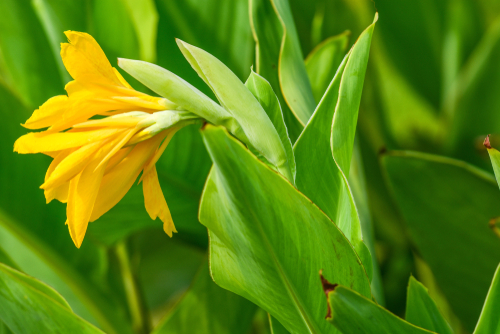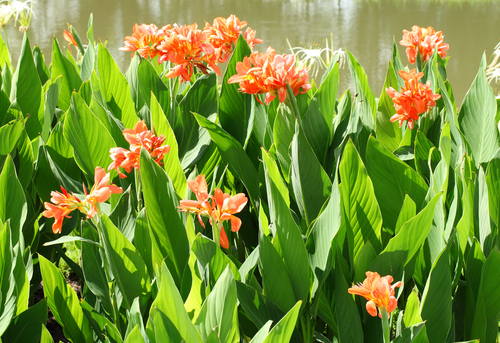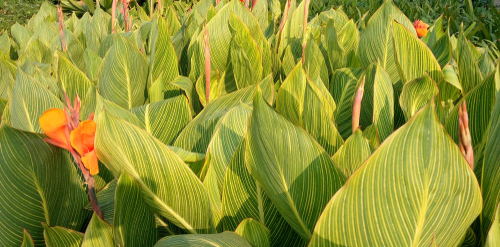
Canna lilies usually start showing off their gorgeous blooms in June, and if you treat them right, that show can last well into the fall. Whether you’re growing the classic red, sunny yellow, or elegant white varieties, there are a few pro tips you should follow to get those flowers popping early and staying vibrant all season long.
Feeding Your Cannas
If you want your cannas to keep pumping out new blossoms all summer, you’ve got to remember they are hungry plants! They need a lot of energy to maintain that tropical look, so regular fertilizing is key. I like to mix a little fertilizer into the soil right when planting. Give them a second feeding in June once the first flowers appear, and a third round in September to help the plant build up energy reserves for the winter.
Keep the Water Coming
Watering is another biggie. Cannas are native to the Caribbean, so they’re used to a tropical vibe. They really don’t handle long dry spells well at all. On the flip side, they’re actually pretty tough when it comes to “wet feet”—short periods of standing water usually won’t hurt them. When in doubt, it’s better to water your cannas a little too much than too little.
Fall Pruning Tips
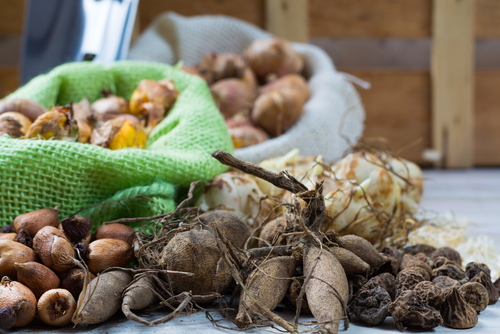
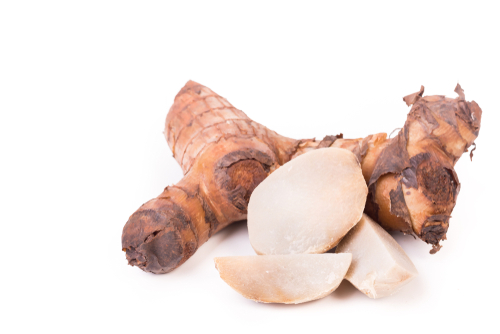
To make sure your canna rhizomes are ready to overwinter indoors, you’ll need to cut them back in October before the first frost hits. Here’s the trick: wait until the leaves have actually turned yellow. As long as the leaves are green, they’re still sending vital energy down to the bulb to help it survive the winter. Cutting them back while they’re still green can actually weaken the plant for next year.
Pests and Diseases
The main thing to watch out for is the Canna Yellow Mottle Virus, which tends to pop up when the weather is cool and damp. Unfortunately, there’s no real cure for this one—if your plant gets it, you’ll have to dig it up and dispose of it to keep it from spreading. You should also keep an eye out for these common garden party-crashers:
- Aphids
- Voles
- Slugs
- Spider mites