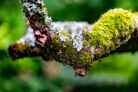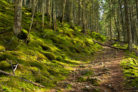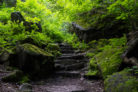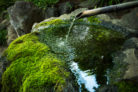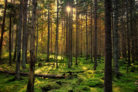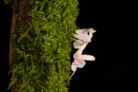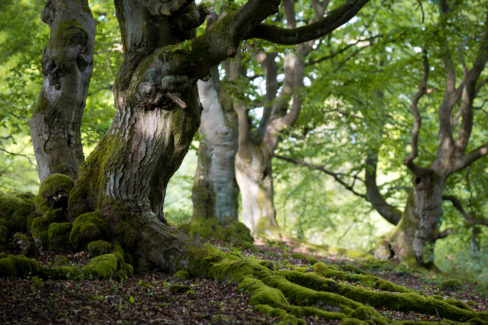
In the wild, moss doesn’t just create those lush green carpets under trees; it also loves to climb right up the bark. If you’ve spotted some fuzzy green growth on your trees, don’t panic! It’s actually not a threat to the tree’s health at all. In fact, it’s quite the opposite.
Moss in the Woods
Moss is a big fan of cool, damp spots with plenty of shade. If you’ve ever taken a hike through the woods, you’ve probably seen those beautiful, sprawling green carpets. But moss isn’t picky—while it makes a great groundcover, tree bark provides the perfect textured surface for it to call home.
Moss Isn’t a Parasite
Back in the day, people used to treat moss like a weed, and it still has a bit of a bad reputation with some gardeners. But here’s the thing: moss isn’t a parasite. When it settles on a tree, it’s just using the bark as a place to sit. Moss doesn’t have traditional roots; instead, it uses tiny little threads to hang on. The craggy, uneven surface of tree bark is basically a five-star hotel for moss.
Most importantly, moss doesn’t steal nutrients or water from the tree. So, if you see a mossy trunk, rest easy knowing your tree is doing just fine.
Moss as an Indicator Plant
Think of moss as nature’s little indicator plant. It tells you a lot about the environment it’s growing in. Generally, moss is a sign of:
- Acidic conditions
- Decaying organic matter
- High humidity and low airflow
Plus, moss on a tree is like a tiny ecosystem. It serves as:
- A snack bar for insects
- Prime nesting material for birds
- A cozy home for bugs and other tiny critters
Removing Moss from Trees
If you still prefer the look of clean bark and want to remove the moss, you’ll need to be gentle. You can use a stiff wire brush to scrub it off, but be careful not to gouge or damage the bark underneath.
Can You Use Moss as a Compass?
You’ve probably heard that moss only grows on the north side of a tree. While it’s true that moss in our neck of the woods prefers the north or northwest side (where it’s shadiest), don’t bet your life on it! In dense forests, deep ravines, or different climates, moss will happily grow on any side of the tree it wants. It’s a fun tip for orientation, but maybe keep your GPS handy just in case!