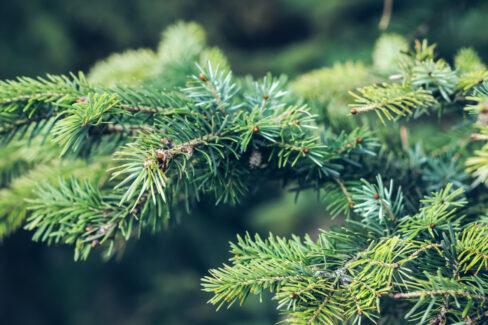
We all know that bark beetles are a nightmare for spruce trees, but there’s another silent killer lurking in the woods: Red Rot. It’s easily one of the most dangerous diseases a spruce can face, and in many cases, it’s a death sentence for the entire tree.
Understanding Red Rot
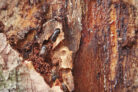
Red rot gets its name from the distinct reddish discoloration it leaves on the wood. It’s a fungal disease triggered by various pathogens, and it generally shows up in two different forms. While both are bad news, one is definitely more destructive than the other:
- Wound Rot
- Heart Rot (the much more serious version)
Wound Rot: Dealing with Bark Damage
Wound rot is usually the “manageable” version of the disease. It happens when fungal spores find their way into the trunk through small nicks in the bark or pruning cuts. The good news? It typically doesn’t spread through the entire tree or jump to neighboring spruces.
To keep your trees safe, treat any open wounds with a specialized pruning sealer to block pathogens from entering. This is especially important after you prune your spruce. Since the risk of infection peaks in the fall, it’s a good idea to avoid heavy pruning during that time altogether.
Heart Rot: The Root Rot Menace
Heart rot is the real villain here. This version of red rot is caused by a fungus known as Annosus root rot (or “root sponge”). It enters through the roots and works its way up, spreading throughout the entire tree. What makes it truly devious is that it can travel underground, jumping from one spruce to another through root contact.
Because the fungus starts its work deep inside the trunk, you won’t see any symptoms on the outside in the early stages. By the time you actually spot the fungus on the exterior, the inner core of the tree is usually so decayed that there’s no saving it.
As the wood rots, the spruce becomes unstable and prone to falling during windstorms, posing a major safety risk to anyone nearby. If you realize a tree is infected, the best move is to cut it down as quickly as possible. To protect the surrounding trees, you can treat the remaining stumps with a specialized biological control agent. Pro tip: Younger roots are the most vulnerable to the fungus, while older, established root systems are slightly more resistant.