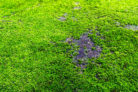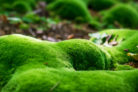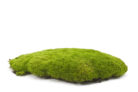
Did you know there are over 25,000 different species of moss spread across the globe? While that’s a huge variety, most mosses actually share some pretty cool characteristics when it comes to how they grow.
How Moss Grows
Mosses are unique because they’re rootless spore plants. Instead of a traditional root system, they have a “thallus” (a multicellular body) or a stem with tiny leaves. To stay put, they use little hair-like anchors called rhizoids, which allow them to cling to almost any surface—from rocks to tree bark.
How Tall Does It Get?
Generally speaking, moss likes to keep a low profile. Most species stay between a tiny millimeter and about 8 inches (20 cm) tall. While there are a few “giants” out there that grow taller, most stay close to the ground.
Ways to Use Moss in Your Garden
Because of its low-growing habit, moss is a fantastic groundcover, especially in those tricky spots where nothing else seems to thrive. It’s also a great choice for houseplants or adding some texture to your window boxes. Some varieties are even perfect for mounting orchids!
The Secret to Lush Growth: Location, Location, Location
If you want your moss to really take off, picking the right spot is key. In the wild, moss usually finds its own perfect home, but if you’re looking to cultivate it in your yard, you’ll want to aim for these conditions:
- Partial to full shade
- Cool and damp environment
- Moist, acidic soil
Keep it Cool and Shady
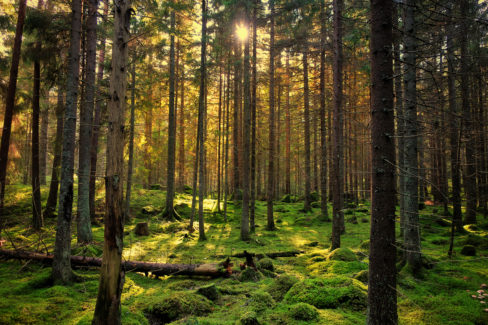
Most mosses thrive in cool, shady spots. If you have a pond or a little stream in your yard, that’s prime real estate for a moss garden! While a few rare species can handle the sun, most will stop growing altogether if they get too dry. For the best results, keep them in temperatures between 60°F and 70°F (15-20°C)—or even a bit cooler.
Moist, Acidic Soil
Moss loves soil that is consistently moist and has an acidic pH level (somewhere between 5 and 6). The best part? Moss doesn’t need fancy, nutrient-rich soil to look great. It’s actually a perfect solution for greening up “difficult” patches of your garden. In fact, as a lawn alternative in damp areas, moss will often spread all on its own, creating a gorgeous, thick green carpet.