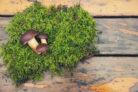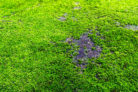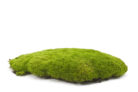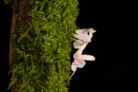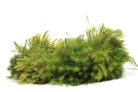
Generally speaking, it’s perfectly fine to forage for a little moss in the woods. However, you’ll want to be as gentle as possible so you don’t disrupt the local ecosystem. Moss often gets a bad rap as a “weed,” but it actually plays a huge role in keeping nature’s delicate balance in check.
Some Species are Protected
While most moss is fair game, keep in mind that certain species are actually protected by law. Foraging small amounts for personal use is usually okay, but there are exceptions for rare varieties or if you’re in a designated nature reserve or national park. Always double-check your local regulations before you head out!
Moss and the Ecosystem
Moss is a real MVP in the environment. It acts as a natural air and water filter and does a fantastic job of regulating moisture in the soil. Plus, it’s a cozy home and a vital food source for all sorts of tiny critters and beneficial insects.
Where to Find Moss in the Wild
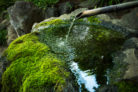
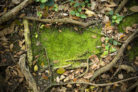
In the wild, you’ll mostly find moss hanging out in forests, clearings, and along stream banks. You’ll often see lush, green carpets of moss spreading across the forest floor between the trees. But don’t forget to look up—you can often find it growing directly on tree trunks too.
Generally, moss loves spots that check these boxes:
- Lightly shaded areas with cool temperatures
- High humidity
- Fresh, damp soil
Tips for Foraging Wild Moss
If you’re planning to bring some wild moss home, remember to be respectful. Never take an entire patch! To make sure the moss can reproduce and keep the colony healthy, always leave at least half of the plant behind.
When you’re harvesting, try not to rip the moss out of the ground. It’s much better to use a sharp knife or garden shears to take a clean slice. Also, give your moss a quick check for any “hitchhikers” like spiders, worms, or snails before you pack it up.
Alternatives to Foraging
Instead of removing whole clumps of moss from the forest, you can actually just harvest the tiny spores. You can use these seeds to start your very own moss supply at home! Just place them in a seed tray or directly in a shady spot in your garden. Keep the soil nice and moist, and before long, you’ll see tiny sprouts that will eventually grow into a beautiful, velvety green carpet.