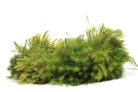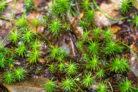
In the right spot, moss is pretty low-maintenance and will naturally spread on its own to create a lush, permanent green carpet. But if you’re looking to take the reins and grow it in a specific area, you can definitely give nature a helping hand. Let’s dive into the most common ways to propagate moss and get your garden looking like a woodland fairytale.
How Moss Spreads Naturally
Out in the wild, moss usually handles its own “family planning.” It reproduces by releasing tiny spores from little capsules. These spores are actually shot out at high speeds, allowing them to catch the breeze and cover a surprisingly large area.
Methods for Controlled Propagation
If you want to grow moss intentionally, you generally have two main paths to choose from:
- Division (or “Inoculation”): Taking pieces of existing plants and moving them.
- Spore Sowing: Starting from scratch with those tiny spores.
Propagating Moss by Division
One of the coolest things about moss is that even a tiny fragment has the power to keep growing and eventually knit together into a dense mat. If you already have some moss in your yard, you can simply pull off small chunks. Alternatively, you can gather some from the woods, but please be mindful of the local ecosystem and only take what you need!
To get them started, tuck those small pieces into starter pots filled with the right substrate. A mix of peat and sand works great, or you can use a potting soil designed for cacti and succulents. Keep the soil consistently moist, and within a few weeks, those little fragments will grow into larger plants. Once they’re established, you can transplant them to their permanent home in your garden.
Propagating Moss from Spores
Those microscopic spores found in the capsules atop moss stalks are how the plant spreads far and wide on its own. But you can also use them for a more targeted approach.
You can harvest spores from moss you already have or buy them from a garden center. Since they’re so tiny, using a fine paintbrush can help you transfer them into a seed tray or container. Keep the soil damp, but here’s a pro tip: never spray or water from above, as you’ll wash those microscopic spores right away! Instead, water the container from the bottom. In just a few weeks, you’ll see the first tiny green sprouts appearing, ready to eventually head out into the garden.