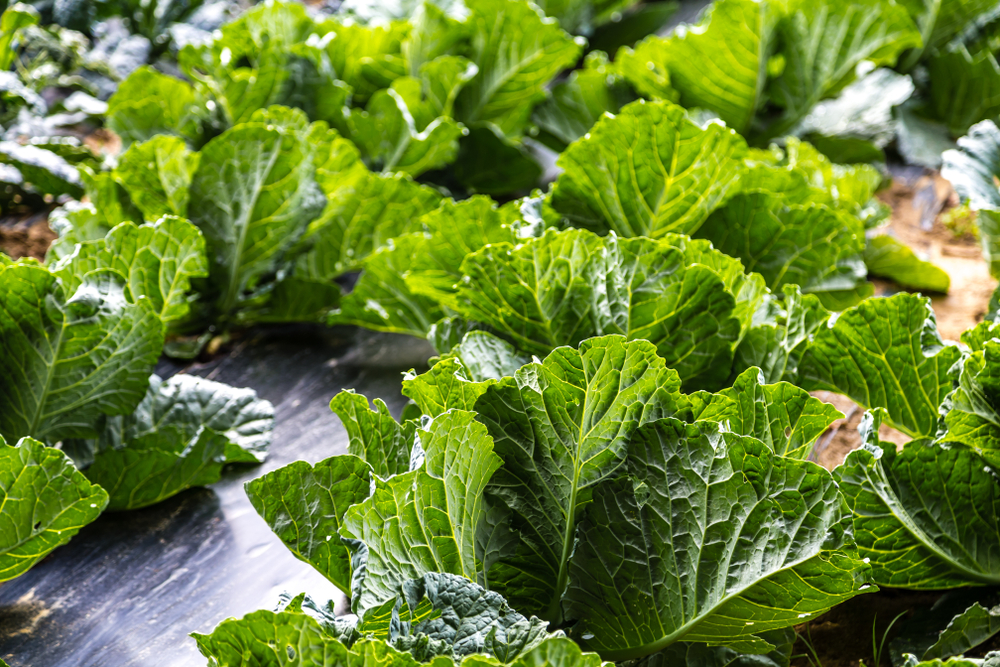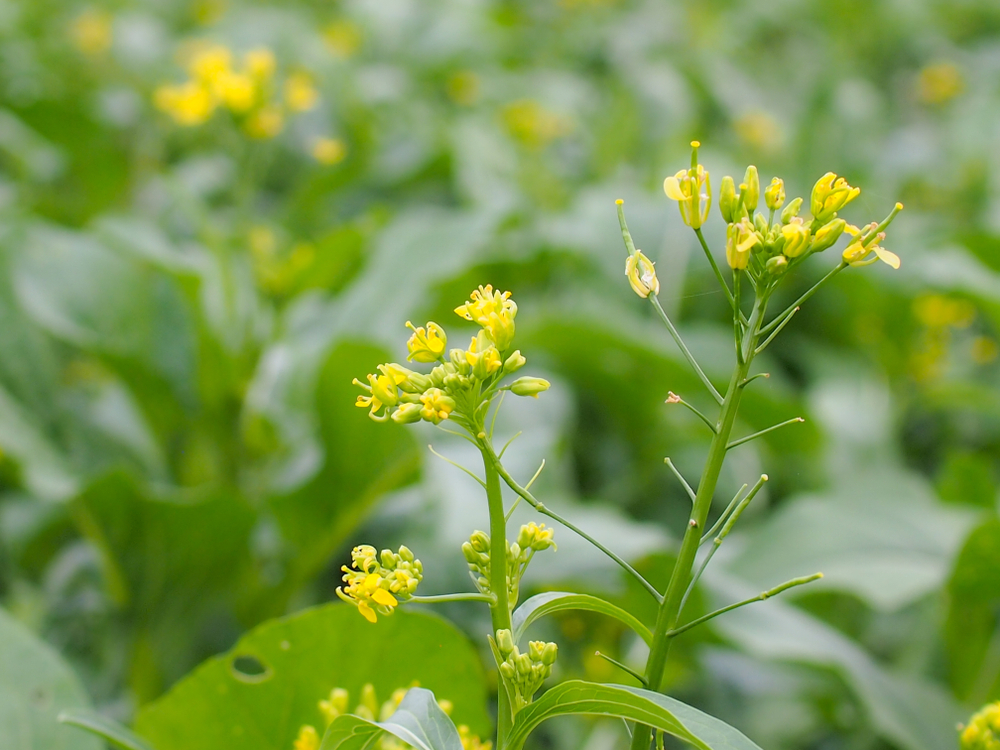
If you sow your Napa cabbage a little too early, you might notice it starting to bolt—meaning it grows flowers instead of those tight, leafy heads we love. Most gardeners try to avoid this, but if it does happen to your crop, don’t panic! You can actually still make use of those blooms.
When does Napa cabbage bloom?
Napa cabbage is what we call a “long-day” plant, which means its flowering cycle is triggered by the amount of daylight it gets. During the peak of summer, when the sun is out for more than 12 hours a day, the plant gets the signal to start producing flowers. However, when the days get shorter in late summer and fall, the plant focuses its energy on growing lush leaves instead. This makes your planting schedule the most important factor for success.
Even if you time it right, you can’t wait too long to harvest. Like any plant, Napa cabbage eventually wants to reproduce, so it will try to flower even when conditions aren’t perfect. Generally, July is a great month to start your seeds. Just keep in mind that the ideal window can shift by a few months depending on which variety you’re growing.
Why you usually want to avoid bolting
When Napa cabbage starts to bloom, it puts all its energy into those flowers. Unfortunately, that comes at the expense of the leaves, which can lose a lot of their signature flavor. The good news? The leaves aren’t toxic or inedible once the plant bolts; they just might taste a bit bitter. My advice is to give a leaf a quick taste test before you decide to harvest the whole head.
If you missed the harvest window and your cabbage is already in full bloom, you can let it go to seed! The seeds are small, black, and easy to spot. Just collect them and store them in a cool, dark, dry place. You’ll have plenty of seeds ready to sow for next year’s garden.
A closer look at the flowers
Napa cabbage typically blooms in the summer, especially when it’s soaking up those long hours of sunlight. The flowers themselves are quite delicate, featuring four petals in a bright, lemon-yellow hue.
Even if a bolting plant wasn’t part of your original plan, the flowers are actually quite pretty and add a nice pop of color to your veggie patch. It’s really not a disaster if it happens! You can use the opportunity to save seeds for next season or just sample the leaves to see if they’re still tasty enough for your stir-fry.