Napa cabbage isn’t just one-size-fits-all. Just like most of our favorite garden veggies, there are actually several different varieties to choose from. While we usually see the same standard type in our local grocery stores, there’s a whole world of variety out there waiting to be discovered.
Common Napa Cabbage Varieties
As you might have guessed from the name, Napa cabbage (also known as Chinese cabbage) hails from China. It actually took quite a while to become a staple in Western gardens, only gaining real popularity in the 20th century. Today, it’s a favorite for farmers across the globe, especially in:
- The United States and Canada,
- Germany, Austria, and Switzerland,
- Italy, Spain, and the Netherlands.
In China, there are two primary traditional types: *Baak Choi* (which translates to “white vegetable”) and *Lung Nga Paak* (“tooth of the white dragon”). Most of the varieties we grow here in the West are descendants of the *Lung Nga Paak* line. If you’re looking to start some seeds, here are a few popular varieties that offer slightly different flavors and growth habits:
- Autumn Fun F1,
- Green Rocket F1,
- Osiris F1,
- Parkin F1, or
- Richi F1.
What Makes Napa Cabbage Special?
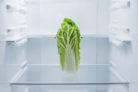
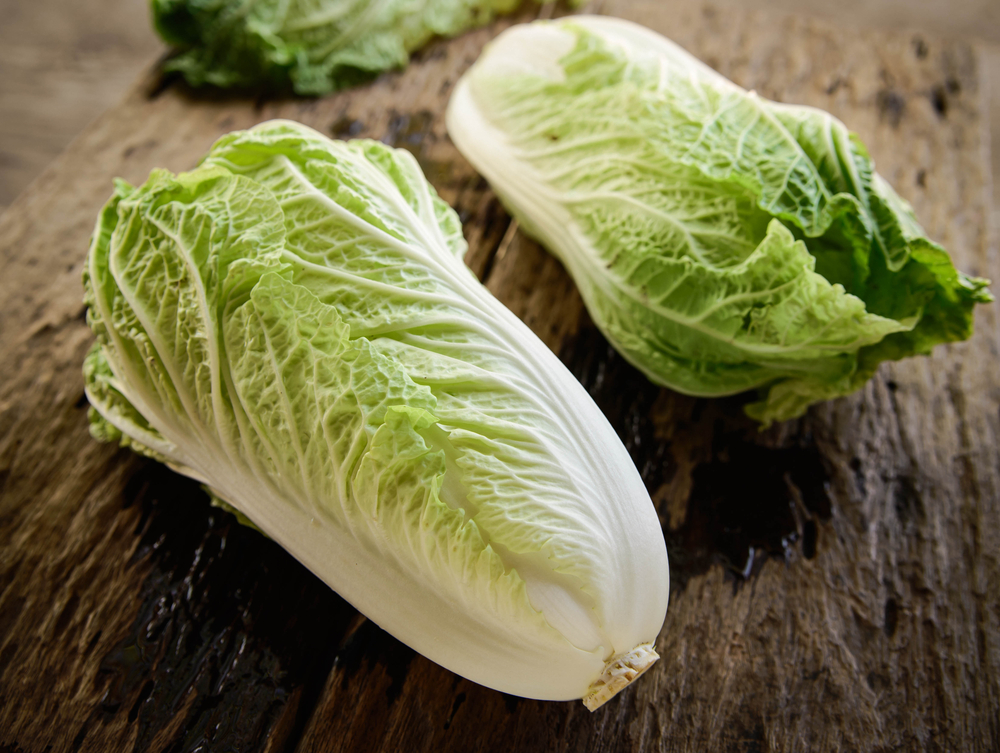
Napa cabbage is actually a natural cross between Pak Choi and a turnip. You can spot it by its sturdy, cylindrical shape and pale green (almost white) color. The leaves are wonderfully crinkly at the edges, thick, and super crunchy. One of the best things about it? Since it’s one of the milder members of the cabbage family, it’s much easier on the stomach and doesn’t cause the bloating often associated with its cousins.
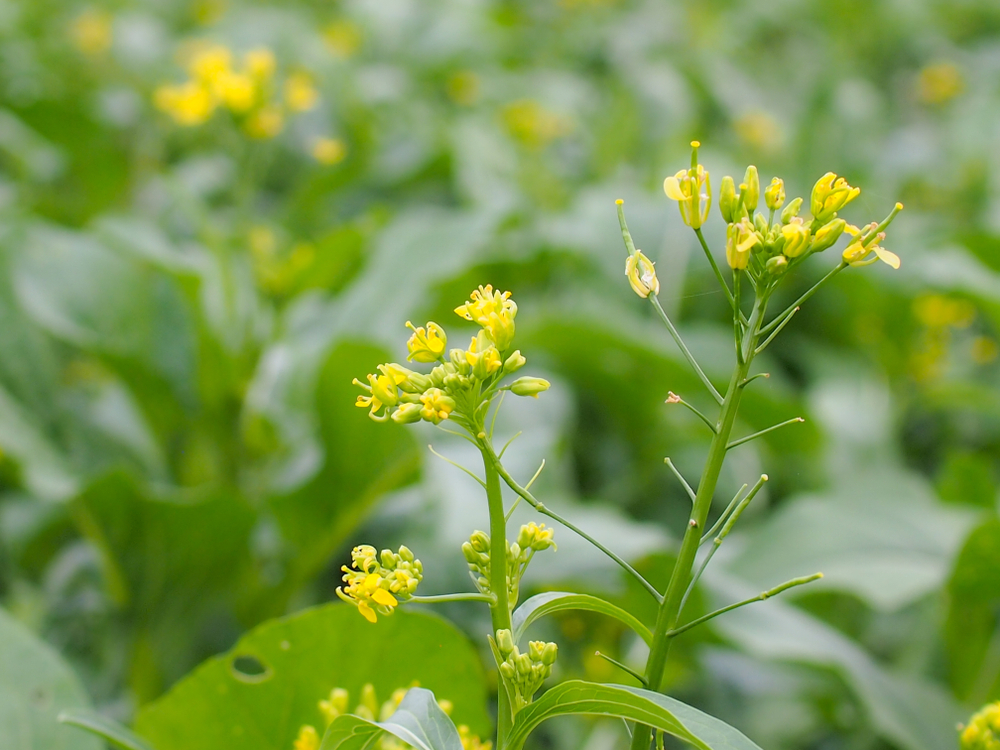
You can usually find Napa cabbage in the produce aisle year-round. However, if you’re growing it in your own backyard, you’ll typically be harvesting in the late summer and fall. Keep an eye on the daylight—when the days are long and bright, the cabbage might start to bolt and bloom. It produces pretty lemon-yellow flowers with four petals. You can still harvest it at this point, but be aware that the flavor might lose some of its sweetness.
Napa cabbage is incredibly versatile in the kitchen. Whether you eat it raw in a slaw, sauté it, steam it, or ferment it into kimchi, it’s delicious. It has a very mild flavor that doesn’t scream “cabbage,” making it a hit even with picky eaters. Plus, it’s a total nutritional powerhouse! It’s packed with calcium, magnesium, iron, potassium, and vitamins C and A—no wonder it’s been considered a superfood in China for centuries.