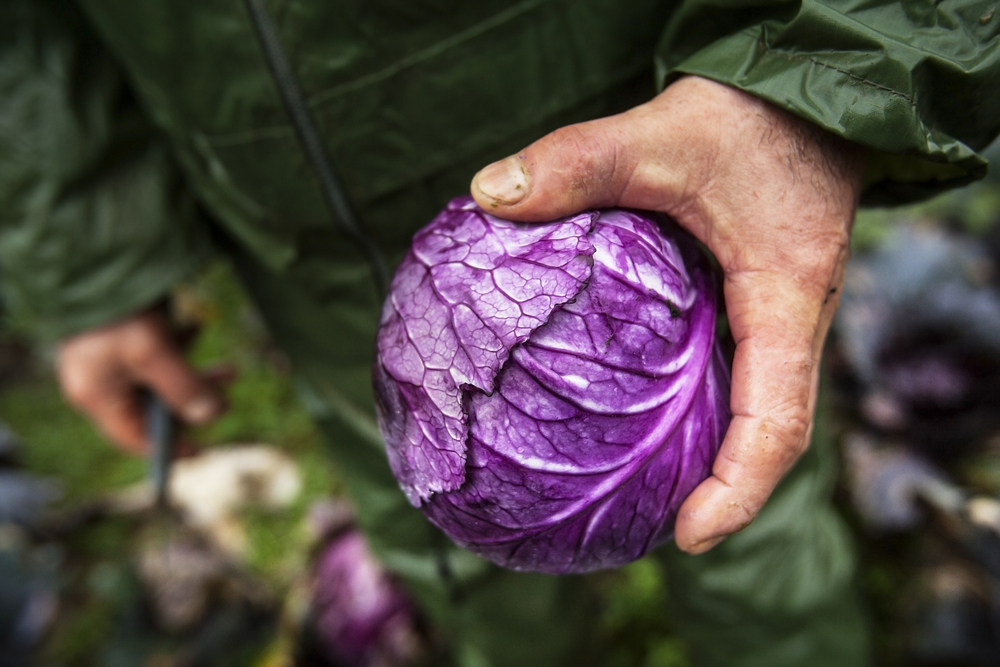
Red cabbage is a total garden classic, right up there with white cabbage. Whether you’re serving it as a cozy side dish for a holiday feast or tossing it into a crisp, refreshing slaw, it’s a crowd-pleaser through and through. That’s exactly why it’s so rewarding to grow your own! If you’re wondering how to get it from the soil to your plate, here is everything you need to know about harvesting red cabbage.
When is Red Cabbage Ready to Harvest?
If you’re starting your seeds indoors, you can get a jump on things in April, but if you’re planting directly into the garden bed, it’s best to wait until May. The “perfect” time to harvest actually depends on what you’re looking for. Those cute, tiny heads of cabbage aren’t just delicious—they look amazing on a dinner plate. Just keep in mind that these “baby” cabbages don’t store for very long.
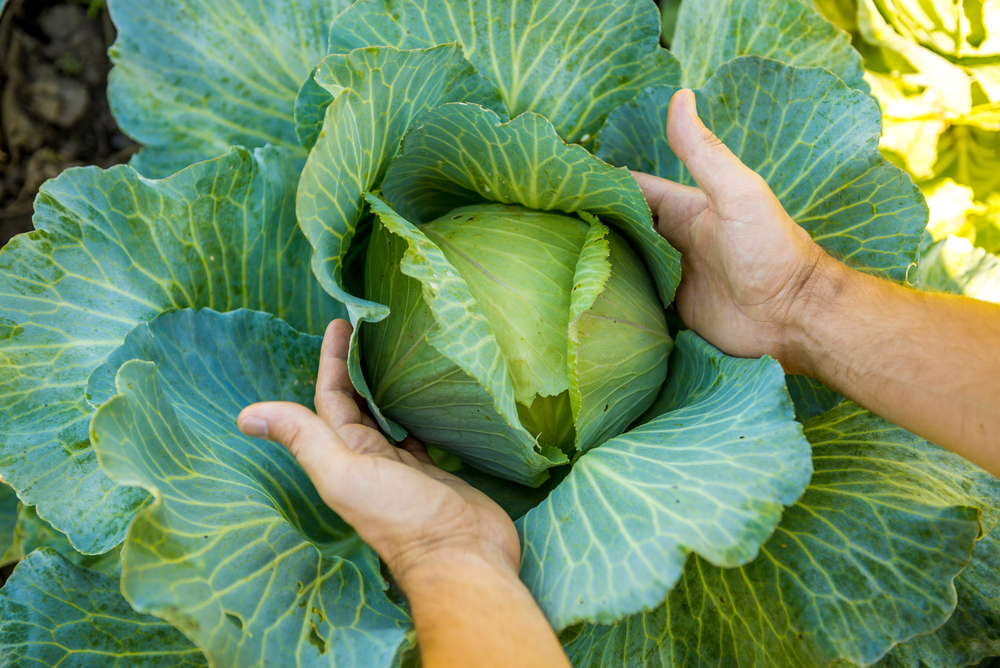
For those of you wanting that classic, full-sized head of cabbage, you’ll usually need to be patient from August all the way into November. Of course, there are some varieties that mature a bit faster. A good rule of thumb? Harvest when you see a beautiful, firm, round ball that is still tightly closed.
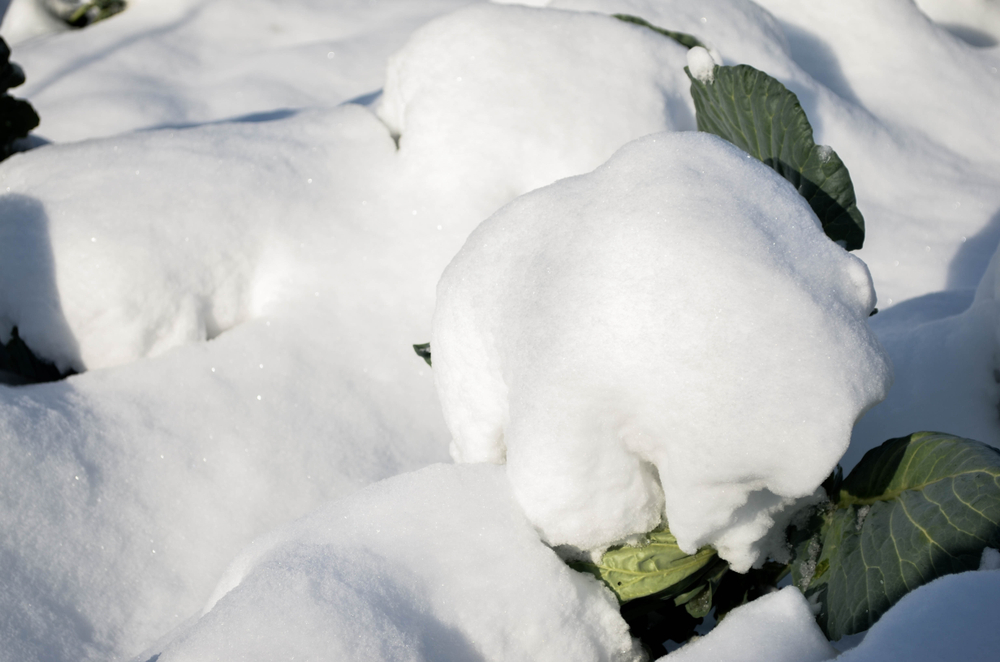
If you wait too long, the cabbage might start to split. It’ll still taste fine, but the texture can get pretty tough and chewy. Also, unlike some other greens, red cabbage doesn’t need a frost to sweeten up. In fact, it’s not particularly winter-hardy, so make sure to get it inside before the first hard freeze hits.
How to Harvest Your Cabbage Like a Pro
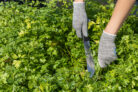
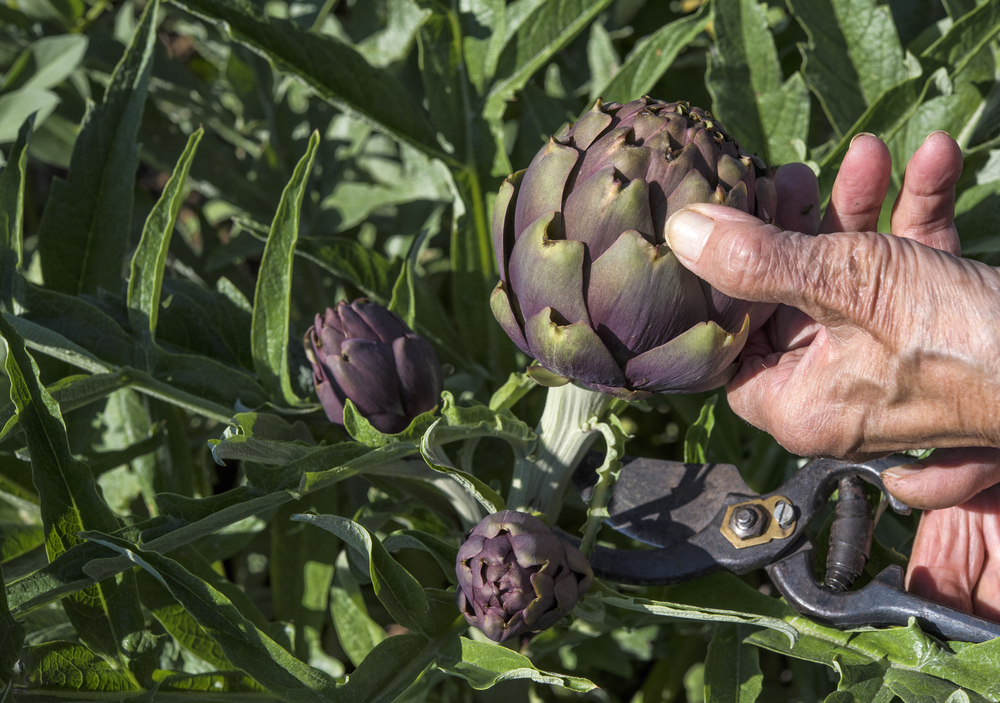
Once your cabbage has reached the perfect size and is ready for the kitchen, it’s time to grab your tools. You’ll want a sharp, clean garden knife for this. Start by carefully pulling back and removing those loose outer leaves. Then, cut the head of the cabbage right at the base, close to the ground. Be sure to cut low enough—if you cut too high into the head itself, the whole thing might just fall apart on you!
Finally, give the cabbage a good shake to knock off any loose dirt or soil. If there are still some ragged or unappealing outer leaves hanging on, go ahead and trim those off. You want to end up with a clean, appetizing head of cabbage that looks just like the ones you’d see at the farmers’ market.
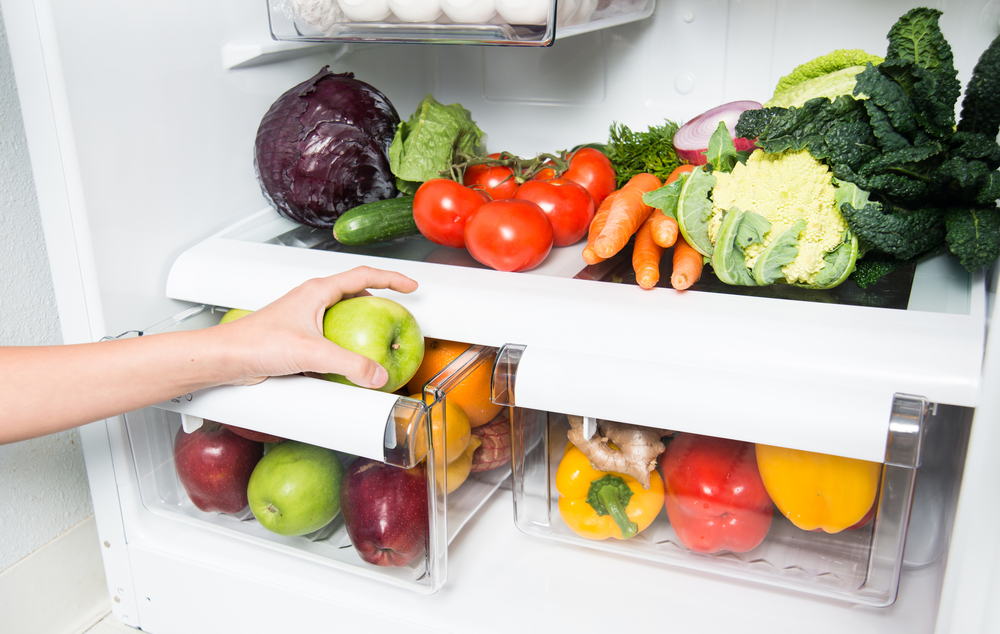
After harvesting, it’s time to think about storage. Pro tip: don’t wash your cabbage until you’re actually ready to cook with it! As long as the head is bruised-free and healthy, it can stay fresh in a cool cellar or your refrigerator crisper drawer for several weeks—or even months.