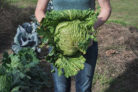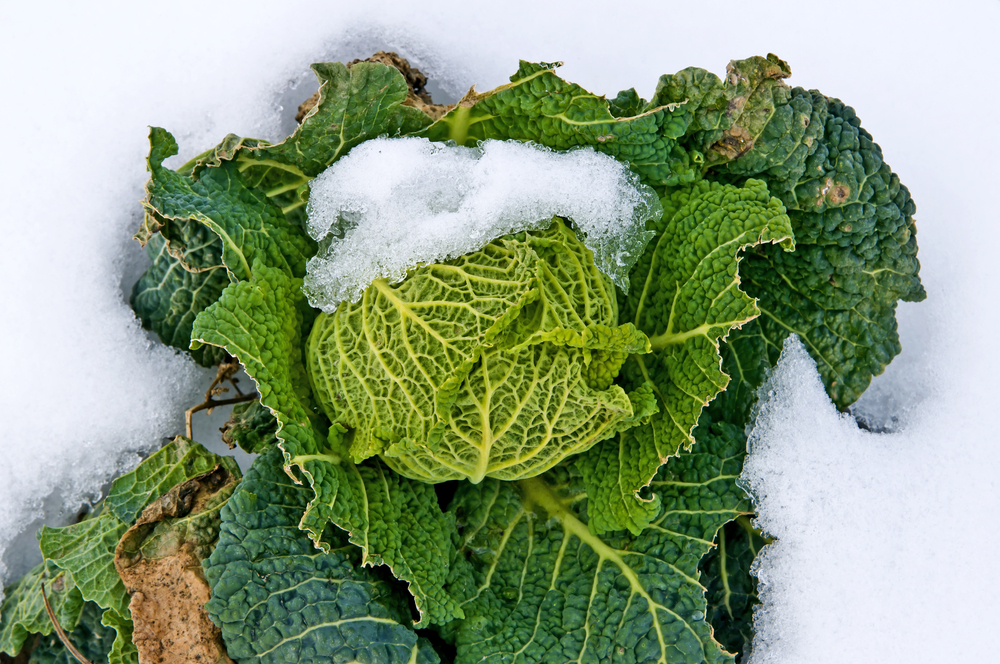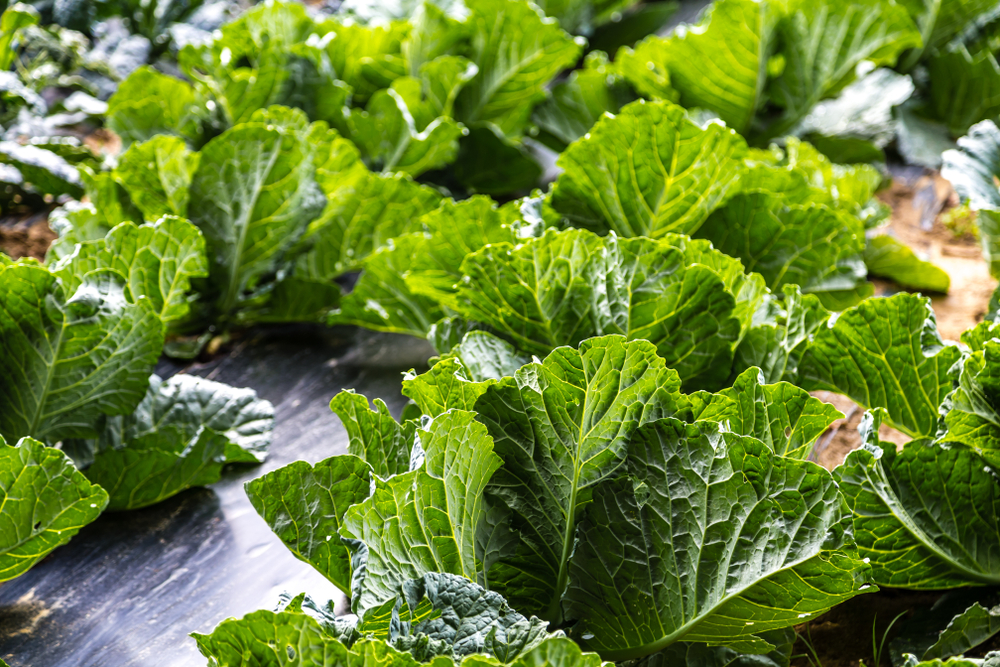
Savoy cabbage is a backyard favorite that’s surprisingly easy to grow yourself. As long as you give it the right spot and a little TLC, it’ll thrive in your garden. Here’s everything you need to know to get started with your own cabbage patch.
Finding the Perfect Spot for Your Savoy Cabbage
Before you start digging, you’ll need to pick the right location. Savoy cabbage loves the sun, but it’s actually pretty chill with partial shade, too. What really matters, though, is the soil quality. Like most members of the cabbage family, Savoy is a “heavy feeder.” This means it has a huge appetite for nutrients and will pull everything it can from the earth.
Because it’s so hungry, you have to pay attention to crop rotation. You shouldn’t grow any type of cabbage in the same spot for more than four years. After that, the soil gets “tired” and depleted, and it won’t be able to keep up with the plant’s demands. Once you’ve finished your harvest, you’ll need to fertilize the area thoroughly to get the soil back in shape. Even before you plant your first seed, make sure to enrich the bed with a generous helping of compost.
How to Plant Savoy Cabbage the Right Way
First things first: grab a hoe and loosen up that dirt. Savoy cabbage isn’t a fan of heavy, compacted soil; it prefers a loose, well-draining environment. Mix in several liters of compost and, if your soil is a bit acidic, a little lime. Once the bed is prepped, you’re ready to put your seeds or transplants in the ground.
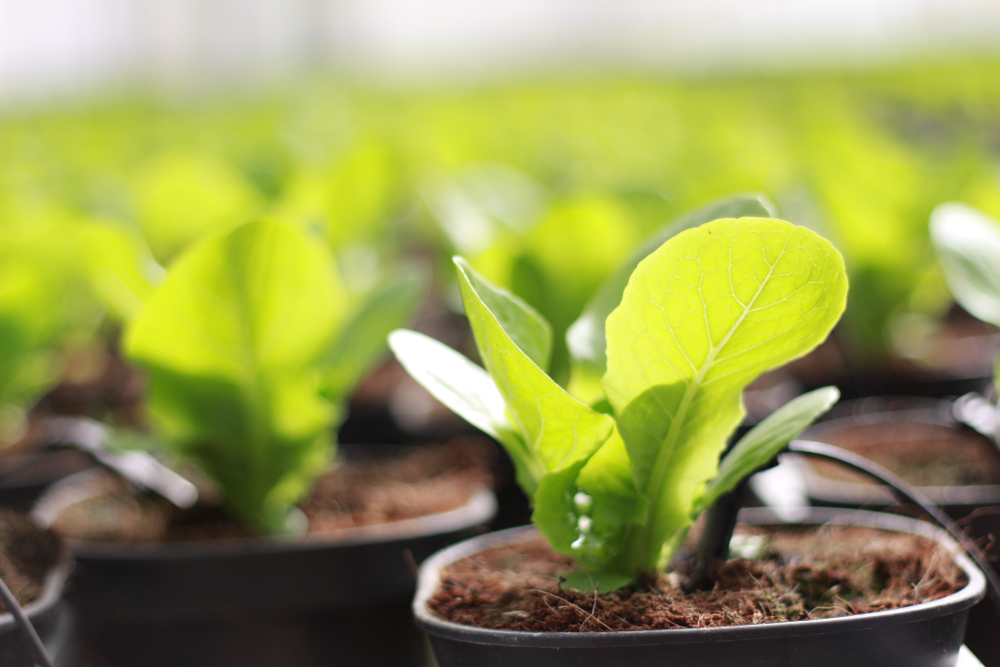
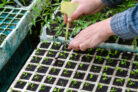
If you’re starting from seed, plant them about half an inch deep. You’ll want to space your plants anywhere from 14 to 35 inches apart. The exact distance really depends on which variety of Savoy cabbage you’re growing. Early varieties tend to stay smaller and don’t need as much elbow room as the later-season types.
Once they’re in the ground, keep a close eye on your watering can. For the first few days, those seeds and seedlings need to stay consistently moist because they can dry out in a heartbeat. However, once the heads start getting bigger and stronger, you can actually dial back the watering. In fact, you should be careful not to overwater at that stage, or you might run into the dreaded root rot.