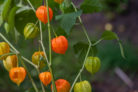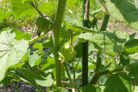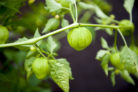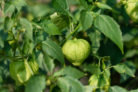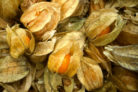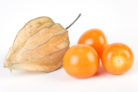
Physalis (also known as Cape Gooseberries or Ground Cherries) are part of the nightshade family, which means growing them is pretty similar to growing tomatoes or peppers. To get a great harvest, there are a few key things to keep in mind from the moment you start your seeds until they’re settled in the garden.
Starting Seeds Indoors
You’ll want to get your seeds started by April at the latest. Physalis are “light germinators,” meaning they need light to sprout. During this phase, they need consistent moisture and high humidity. Because of this, using a mini indoor greenhouse or a humidity dome is your best bet.
Sow your physalis seeds in standard seed-starting mix. Press the seeds gently into the soil, then top them with a very thin layer of quartz sand. The sand allows light to reach the seeds while preventing them from being washed away when you water.
Direct Sowing
While you can sow physalis seeds directly in the garden, the success rate is usually much lower than starting them indoors. If you decide to go the direct-sow route, cover the seeds with a bit of quartz sand and protect them with a cover. You can use the top of a seed tray, a cut-off clear plastic bottle, or even an old glass jar to keep the seeds from drying out.
The upside to direct sowing is that the plants are already acclimated to their spot, so they don’t experience “transplant shock.” The downside? You have to wait much longer to start. You can’t sow physalis outdoors until May at the earliest.
Pricking Out and Potting Up
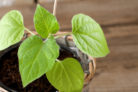
Once your seedlings have grown their first set of “true leaves” (the ones that appear after the initial seed leaves), it’s time to give them their own space. For the soil, I recommend a mix of two parts veggie potting soil and one part seed-starting mix. Adding some clay granules is a great trick—they help hold onto moisture and release it later, which keeps those delicate seedlings from drying out.
How to transplant your seedlings:
- Gently lift the young plants out of the soil using a fork.
- Carefully separate the plants.
- Shake off the old soil.
- Fill a new pot with your soil mix.
- Poke a planting hole into the substrate.
- Carefully place the seedling into the hole.
- Lightly press the soil down.
- Give them a good drink of water.
Be super careful not to squeeze the stems too hard while you’re working; they’re very fragile and can easily be crushed. Make sure the new pot is big enough so the roots have plenty of room to spread out without bending.
Planting Outdoors
You can move your young plants into the garden around mid-May. Make sure they stay protected until then, as even a light frost can kill them. If you’re growing them yourself indoors, use a grow light or place them in a sunny south-facing window. Try to keep the room temperature around 65°F (18°C) so they don’t get too leggy.
When it’s time to plant outside, pick a sunny spot that’s protected from the wind. It’s a good idea to mix some compost into your garden soil first. Physalis are “heavy feeders,” meaning they love nutrients—the better the soil, the bigger your harvest will be!