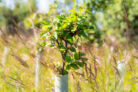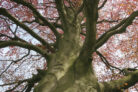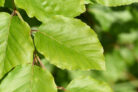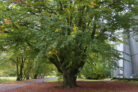
Can big, majestic trees just grow anywhere? Or does even the mighty Beech need a little TLC from its environment to truly thrive? Just like with smaller plants, location is everything. Where a tree decides to sink its roots will make or break its health and beauty. So, where exactly should you plant a Beech?
Beeches Handle the Cold but Crave the Sun
Our native European Beech (Fagus sylvatica) is a tough cookie, handling temperatures down to -22°F (-30°C). Many other varieties are just as hardy—just be sure to double-check the specific cultivar when you’re at the nursery. This means a Beech can technically survive in almost any corner of the country. However, there’s a catch: they love the sun. While a Beech will grow in the shade, you won’t get that spectacular, glowing autumn foliage unless it gets plenty of light. Partial shade is okay, but full sun is where the magic happens.
Pro Tip:
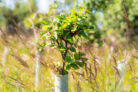
Since a mature Beech is strong enough to stand up to heavy storms, you don’t need to worry about finding a wind-sheltered spot. That said, a freshly planted sapling should be protected from harsh gusts for the first few years until it finds its footing.
The Perfect Soil Recipe
While the top of the tree wants to bask in the sun, the roots are a bit more particular about what’s going on underground. To keep a Beech happy, you’re looking for soil that is:
- Moist but well-draining
- Rich in nutrients
- Ideally a loamy soil mixed with sand or gravel
- Alkaline (aiming for a pH between 6.5 and 8)
Getting the soil right is crucial because Beeches are the “Goldilocks” of trees—they hate “wet feet” (standing water) but they can’t handle extreme drought either. Also, a heads-up for the common Copper Beech: they are very sensitive to soil changes. Even adding just 4 inches of extra soil over their root zone can actually kill the tree.
Roots Need Plenty of Elbow Room
The Beech has what we call a “heart” root system, which is a mix of deep vertical roots and wide-reaching shallow ones. In the early years after planting, the tree focuses on growing deep roots near the trunk. But as time goes on, those shallow roots start spreading out horizontally and getting much stronger. Since these roots usually sit only 20 to 30 inches below the surface, they can eventually do some real damage to pipes or masonry. Make sure you pick the right spot from the start, because once a Beech reaches a certain age, it does not like being moved.
Pro Tip:
If you’re letting a Beech grow to its full potential, the ideal spacing is about 50 feet. You’ll want to keep it at least that far away from walls, utility lines, and other large trees.