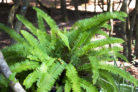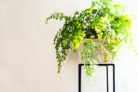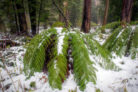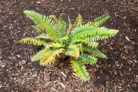
Ferns have been hanging around on Earth longer than almost any other plant group you can think of. With around 17,000 different species out there, these plants are the ultimate survivors—tough, adaptable, and timeless. That said, if you want your ferns to really thrive and look their best, you’ve got to get their environment just right.
Keep an Eye on Moisture
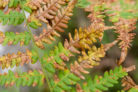
The secret to a happy fern starts with the soil. It’s a bit of a balancing act: the ground needs to stay consistently moist, but you don’t want it to be soggy. While ferns hate “wet feet” (standing water), they despise drying out even more. If the soil gets too dry, you’ll quickly notice brown leaves, and if it stays dry for too long, the plant might not make it. Whether you’re planting in your garden or in a pot, aim for soil that is:
- Loose and well-draining
- Rich in organic matter (humus)
- Packed with nutrients
- Slightly acidic
Partial Shade is the Sweet Spot
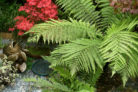
Ferns don’t just love moisture in the soil; they like it on their fronds, too. Because of this, direct sunlight is usually a no-go—it’s just too harsh and drying. You’ll want to find a spot that offers plenty of shade. Partial shade is usually the “Goldilocks” zone because while ferns aren’t fans of direct rays, they still need a decent amount of ambient light to grow. In the wild, you’ll often spot them along the edges of forests where the woods meet a shady meadow.
Plant Under Trees Whenever Possible
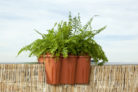
If you’re planting in your backyard, try to tuck your ferns under some trees. Interestingly, evergreens often make better neighbors than deciduous trees. Ferns particularly love the dappled shade provided by pines and larches. If you’re growing ferns in containers on a balcony or patio, just make sure they’re positioned away from the intense, direct sun—especially during the heat of the afternoon.