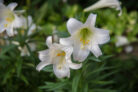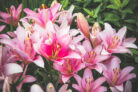
Lilies are found all over the Northern Hemisphere, which means different species can have pretty unique needs depending on where they’re from. However, most of these stunning flowers actually share a few basic requirements when it comes to finding the perfect spot in your garden.
Finding the Sweet Spot for Light
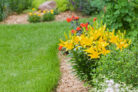
Lilies are a bit particular—they’re one of those plants that want “their head in the sun and their feet in the shade.” While those gorgeous blooms crave sunlight to really pop, the base of the plant much prefers staying cool and shaded. Because of this, lilies usually do best in partial shade. I recommend surrounding them with low-growing companion plants to provide that necessary ground cover. Plus, having larger neighbors nearby acts as a natural windbreak, protecting your lilies from heavy gusts and downpours.
Getting the Soil Just Right
If you want your lilies to truly thrive, you’ve got to focus on the substrate. Ideally, your soil should be:
- Well-aerated and loose
- Nutrient-dense
- Fast-draining
- Rich in organic matter (humus)
- Consistently moist
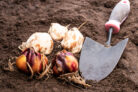
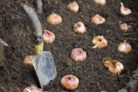
Managing water is the biggest trick with lilies. On one hand, they need plenty of moisture to produce those iconic flowers. On the other hand, they absolutely hate “wet feet”—standing water is a quick way to rot the bulbs. When you’re planting your lilies, try mixing a little sand into the soil to improve drainage. Adding some mature compost is also a great move; it enriches the soil so you won’t have to fertilize as often during the growing season.
Tips for Potted Lilies
If you’re growing lilies in containers, they’ll also be happiest in a spot with partial shade. Standard high-quality potting soil usually works just fine for them. Just keep in mind that potted lilies aren’t as hardy as those in the ground when winter hits. Once you’ve cut them back in the fall, move the pots to a dry, dark spot for the winter—ideally somewhere that stays between 40°F and 50°F (5 to 10 degrees Celsius).