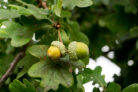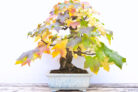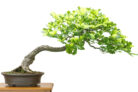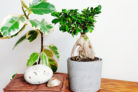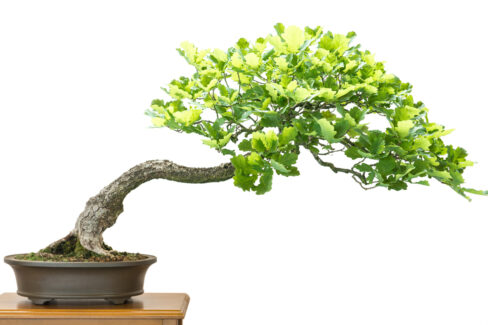
Not everyone has enough backyard real estate to plant a massive oak tree. But hey, that doesn’t mean you have to miss out on these majestic giants! You can actually grow an oak as a bonsai, keeping that legendary look at the size of a houseplant.
Starting from scratch or buying a sapling
To get your bonsai journey started, you’ll need a young plant. You have a few options here: you can grow one yourself by planting acorns in a pot with seed-starting mix, buy a young sapling from a nursery, or even find a small seedling in the woods that sprouted naturally.
The best time to start “training” your tree is when it’s just a bit taller than your desired final height and the wood is still flexible. Keep in mind that as you shape and bend the tree, the height will likely decrease a bit. You’ll probably want to use some bonsai wire to give it those beautiful, characteristic curves.
Mastering the initial training cut
First, carefully lift your little oak out of its pot or the ground. Gently shake off the soil from the oak’s roots without damaging them. Using a sharp pair of shears, trim back the roots. Just make sure to leave a strong portion of the taproot intact—this is the lifeline for your little tree!
Here’s what you’ll need:
- A young oak sapling
- Sharp bonsai shears
- Bonsai wire
- A shallow planting tray
- Bonsai substrate (soil mix)
- A watering can or mister
Next, prune the main trunk just above a bud. You might want to remove the lowest branches entirely, then trim the upper ones back to create the branch structure you’re looking for. Once that’s done, settle the plant into its new tray. Use wire to gently guide the trunk and branches into your preferred shape. Give your new bonsai a good soak and place it somewhere it can soak up plenty of sunlight.
Keeping your bonsai happy and healthy
Since your oak is living in a small tray, it can’t hunt for nutrients like it would in the wild. You’ll need to feed it regularly with a good bonsai fertilizer to keep it thriving. Also, keep an eye on the roots—if they start outgrowing the tray, it’s time to repot. Depending on the species, you might find yourself doing this once or twice a year in the beginning.
Maintenance pruning is also key. If you let it go, your oak will eventually try to revert to its full-sized self! Use clean, sharp bonsai shears to regularly trim back new shoots and maintain the shape. A good rule of thumb is to give the roots a little trim whenever you repot the tree, too.