A tree’s roots are the foundation for healthy growth and a rock-solid stance. If you’re thinking about adding one of these giants to your yard, it helps to know what’s going on underground. Here’s the scoop on how oak roots grow and how you can plant and care for your oak to ensure it thrives.
Root Type and Characteristics
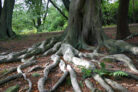
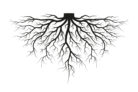
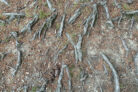
The oak is a classic deep-rooter. This means the tree develops what we call taproots that reach far down into the earth. These powerful roots act like a deep-sea straw, pulling water and nutrients from way below the surface. At the same time, these sturdy roots give the oak incredible stability. Even when the weather gets nasty and the wind starts howling, an oak stays firmly anchored in the ground.
You can actually see this vigorous root growth starting from a tiny acorn. When you plant one, little roots sprout almost immediately, heading straight down into the soil. The plant keeps this massive growth drive for years to come, turning a young sapling into a majestic tree before you know it.
Factors That Boost Root Growth
Even though oaks are known for being tough and relatively low-maintenance, their roots will perform differently depending on the location. To keep your tree’s metabolism humming and ensure it grows strong, you’ll want to pick a spot that meets its specific needs.
Here’s what those roots are looking for:
- Loose, nutrient-rich soil
- Consistent moisture in the ground
- Plenty of vertical space to grow downward
Make sure the soil gives your oak enough “leg room.” Before you plant, it’s a good idea to loosen the soil a bit. You can mix in some loam and spread a layer of bark mulch over the root zone to help hold moisture. Pro tip: pick your spot carefully! Once an oak reaches a certain size, those deep taproots make it very difficult to transplant.
The Impact of Healthy Root Development
Healthy root growth is the secret sauce for a flourishing oak tree. If you damage or kink the roots while transplanting, the tree can die off pretty quickly. Pay extra attention during those first few years to make sure the underground system is developing well. If the soil is too compacted or too dry, the tree’s growth will take a serious hit, and it might take a lot longer to see those first blossoms.
If there’s trouble below the surface, you’ll usually see the signs in the oak’s leaves. Unusual discoloration is often a red flag that something is wrong. It could mean the tree is starving for nutrients or struggling with a disease. A tree that isn’t getting what it needs from its roots is also much more vulnerable to fungal infections.