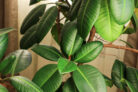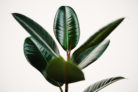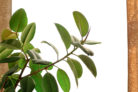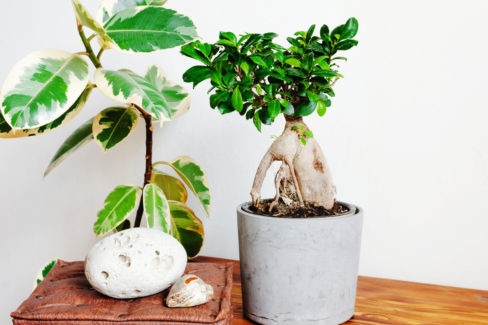
Rubber trees (*Ficus elastica*) are famous for being low-maintenance houseplants that can easily hit the ceiling if you let them. But don’t let their potential height fool you—they actually make fantastic bonsai! With a little bit of patience and this guide, you’ll be well on your way to growing a stunning miniature masterpiece.
The Guide
To get started, you can just use a standard rubber tree. You don’t want anything too massive since we’re going to be doing some heavy pruning, so keep an eye out for a healthy plant that’s about 12 to 16 inches tall.
Once you’ve picked out a strong, healthy candidate in that size range, we’re going to train it into a bonsai using these four focus areas:
- The Root System
- The Trunk
- The Branches
- The Leaves
The Root System
- Carefully lift your rubber tree out of its nursery pot.
- Gently shake or brush off the old soil from the roots.
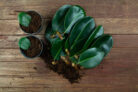
- If you notice there are actually several individual plants in one pot, separate them. Pick the one with the thickest, strongest trunk for your bonsai project.
- Give the roots a significant trim (don’t be shy, but be precise!).
The Trunk
In this step, you’ll “top” or cut the trunk back depending on the specific shape and height you’re going for.
Planting
Before we worry about the branches and leaves, it’s time to get the tree situated. Plant your rubber tree in a dedicated bonsai pot using high-quality bonsai soil. The style of the pot really depends on the look you want to achieve. Once it’s tucked in, mist the plant and the soil with water and give it a good initial watering.
Now comes the hard part: patience. Developing a solid root system can take three to four years. During this phase, make sure to check on the roots annually.
The Branches
For the first year after moving it into the bonsai pot, just let your rubber tree do its thing. Let it grow and get established before you start shaping the branches.
The Leaves
Full disclosure: rubber tree leaves will never get *tiny*. You’ll likely end up with a mix of small and larger leaves. To keep the big ones from taking over, you’ll want to prune them back. This also helps the tree redirect its energy away from those giant leaves and spread it more evenly throughout the whole plant. A good rule of thumb is to wait until the tree has grown about 16 new leaves before you start cutting. Ideally, you want to see about six to eight new leaves between each pruning session.
To keep your bonsai in your desired shape, I recommend removing small branch tips with several leaves attached rather than just plucking individual leaves. This makes it much easier to control the overall height and silhouette of your tree.