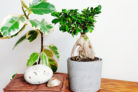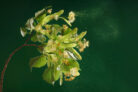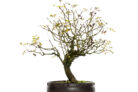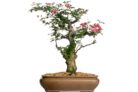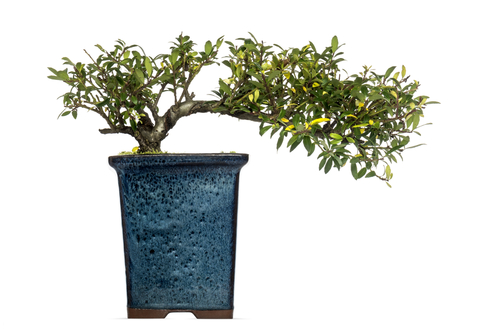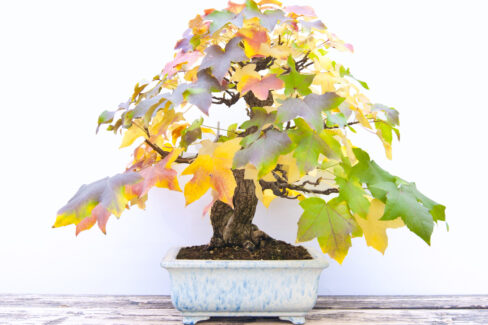
The Sweetgum tree is a total showstopper no matter its size, but if you really want to level up your gardening game, try growing one as a bonsai! In this miniature form, it’s not just about that famous fall foliage—the unique growth habit and texture really get a chance to shine.
Leaves and Bark
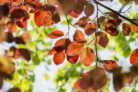
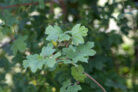
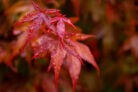
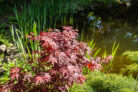
One of the best things about the Sweetgum is how versatile it is for different bonsai styles. At first glance, you’ll notice the star-shaped leaves look a lot like our native maples. When autumn rolls around, the Sweetgum puts on a spectacular color show that varies wildly depending on the variety.
You might see shades like:
- White
- Yellow
- Orange
- Red
- Crimson
- Deep Purple
Sometimes you don’t even have to choose—a single leaf can sport several different colors at once! But it’s not just about the leaves. What makes these trees perfect for bonsai is their bark. Even young saplings develop those distinctive “corky” ridges along the branches. This gives a tree that’s only a few years old the rugged, weathered look of an ancient giant.
Potted Care Tips
Just like their full-sized cousins in the yard, Sweetgum bonsai are pretty low-maintenance. They love a sunny spot, which is much easier to find when your tree fits on a patio table! You can keep your bonsai outdoors year-round, but keep an eye on the moisture levels during winter. Believe it or not, it’s usually dehydration, not the freezing cold, that causes problems for these trees in the winter.
Since the root space is limited in a pot, you’ll want to fertilize regularly from spring through fall. A good rule of thumb is to use a standard liquid houseplant fertilizer about every two weeks to keep it happy and healthy.
Pruning and Shaping
A major plus for the Sweetgum is how well it handles a trim. While you rarely need to prune a Sweetgum in the landscape, bonsai culture is a different story. Stick to the usual heavy pruning windows in early spring or late fall, but don’t be afraid to snip back any “rebel” shoots that start growing too fast during the summer. This helps maintain that perfect miniature silhouette!