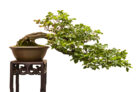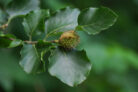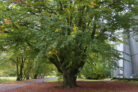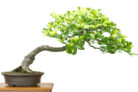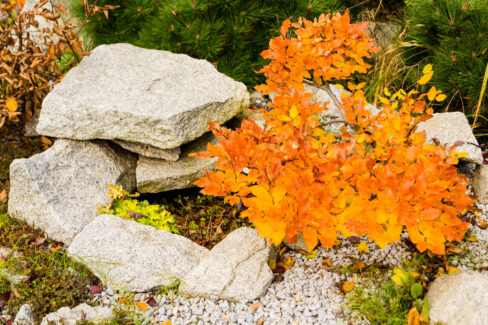
In the wild, a beech tree is a force of nature, quickly stretching out its limbs to claim as much space as possible. But here’s the cool part: these trees are incredibly resilient and don’t mind a heavy prune. That’s music to the ears of any bonsai enthusiast! If you’ve ever wanted to train your own miniature forest giant, here is how to get started and keep your beech bonsai thriving.
Starting Your Bonsai Journey
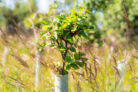
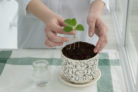
You can easily find young beech trees pre-shaped for bonsai at most garden centers. But if you’re feeling adventurous, you can start from the very beginning. Try growing one from a cutting or starting from seed to propagate your own. You might even find a small sapling in the woods that you can carefully transplant.
Pruning: The Secret Sauce
Don’t let the idea of pruning intimidate you! Because beech trees handle heavy cutting so well, they are actually great for beginners. You can shape them into almost any style you can imagine. To keep that classic bonsai look, you’ll need to commit to a couple of trims a year:
- February: This is time for the heavy lifting. Just before the new leaves emerge, cut back the branches significantly.
- The Rule of Three: Aim to leave about three buds per shoot.
- July: Follow up with a light “haircut” to maintain the shape and tidy up any wild growth.
Pro Tip:
Try to avoid using wire on beech trees if you can. Their bark is quite thin and scars easily. If you absolutely have to wire a branch, protect it with a buffer and remove the wire early so it doesn’t grow into the wood.
Keeping Your Bonsai Happy
Aside from pruning, watering is the most important part of the job. Beech trees—whether they are 80 feet tall or 8 inches tall—are a bit picky: they hate “wet feet” (soggy roots) but they can’t stand drying out either. Make sure your pot has large drainage holes and a solid drainage layer at the bottom. Here’s your quick care checklist:
- Water as needed to keep the soil moist but not soaked.
- Use rainwater or filtered tap water whenever possible.
- Empty the drainage saucer right away so the tree isn’t sitting in water.
- Fertilize regularly from March through April.
- Make sure your fertilizer includes iron.
- Repot every two years in the spring.
- Don’t forget to prune the roots when you repot!
- Only move up to a slightly larger pot; a specialized bonsai substrate is your best bet.
Winter Protection
Your little beech tree will love spending its summer outdoors. However, even though full-sized beech trees are tough as nails in the winter, a bonsai is much more vulnerable because its roots are in a small pot. Before the first frost hits, move it to a cool, frost-free room. Alternatively, some gardeners take the tree out of its pot and temporarily “plant” it in the ground in the garden to insulate the roots for the winter.