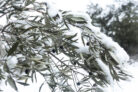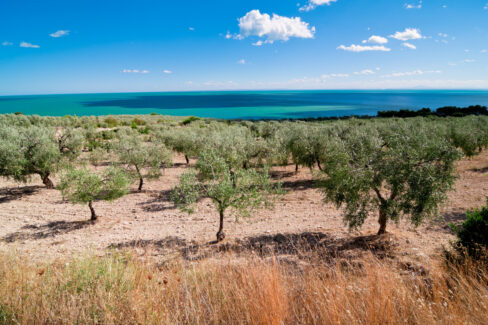
Hailing from the sunny Mediterranean, olive trees are naturally built to handle long, dry summer spells without breaking a sweat. However, frost is a whole different story—especially if it gets intense or sticks around for a while. On the flip side, these trees aren’t fans of being too toasty during the winter, either. When it comes to the “perfect” temperature for an olive tree, it’s all about finding that sweet spot.
Not Winter-Hardy
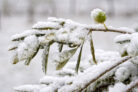
The first thing to keep in mind is that olive trees aren’t truly winter-hardy. Overwintering your olive tree outdoors in Germany (or similar climates) really only works in regions with exceptionally mild winters, like wine-growing areas. For most of us, a prolonged freeze will almost certainly lead to frost damage or, unfortunately, the loss of the tree entirely.
Avoid Overheating in Winter
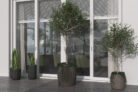
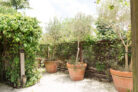
It’s a bit of a balancing act because olive trees can struggle with high temperatures just as much as low ones during the winter. Since most of us grow them in pots, the standard move is to bring them indoors when the mercury drops. When choosing a spot for your tree to ride out the cold months, look for a place that is:
- Bright
- Cool
- Protected from drafts
Preventing Common Problems
Olive trees don’t do well in dark corners or drafty hallways. But one of the biggest mistakes you can make is putting your olive tree in a heated living room. Temperatures of 70°F (20°C) or higher are just too warm for a tree trying to enter its natural winter dormancy. To help your tree recharge its batteries, you want to keep the winter quarters at a steady temperature of around 50°F (10°C). If you can keep it cool and bright, your olive tree will have a much easier time acclimating to the great outdoors once spring rolls around!