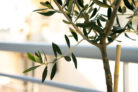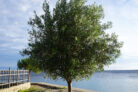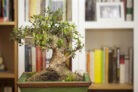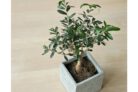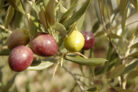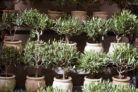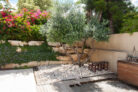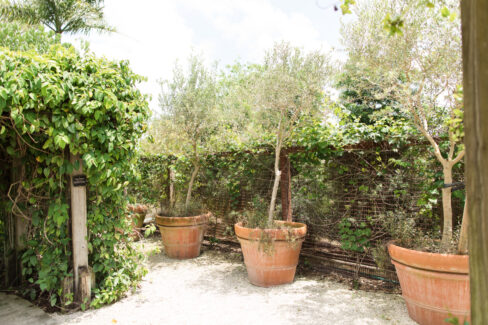
Many of us love giving our backyards that breezy, Mediterranean vibe. Along with those classic terracotta pots, nothing sets the mood quite like an olive tree. However, unless you live in a region with super mild winters—like some of our coastal or wine-growing areas—planting them directly in the ground can be risky. For most of us, keeping olive trees in containers is definitely the way to go.
More Flexibility for Your Tree
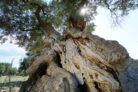
One thing to know about olive trees is that they’re slow growers. In the wild, they thrive in poor soil, which means they develop massive root systems to hunt down nutrients. We’re talking roots that can spread twenty feet or more from the trunk! This makes digging one up to move it pretty much impossible. If a deep freeze hits and your tree is stuck in the ground, you might lose it. By keeping your olive tree in a pot, you have the flexibility to move it to safety whenever the temperature drops.
Getting the Care Just Right
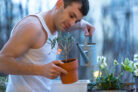
Since a potted tree doesn’t have that expansive root system to find its own water, you’ll need to step in and water your olive tree yourself. The good news? They aren’t high-maintenance. Usually, a good soak once a week is plenty. If you’re dealing with a major summer heatwave, you might want to bump that up to twice a week. Just keep a close eye on it—potted trees can be a bit more sensitive to pests and diseases than those in the ground, so regular check-ups are key.
Don’t Forget the Drainage
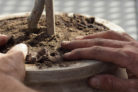
When it comes to watering, olive trees hate “wet feet.” It’s much better to water consistently rather than drowning them all at once. To keep the soil from getting waterlogged, your pot needs excellent drainage. Make sure there’s a drainage hole at the bottom, and I always recommend adding a “drainage layer” at the base of the pot before adding your soil. You can use materials like:
- Pea gravel
- Broken terracotta shards
- Coarse sand