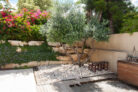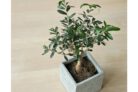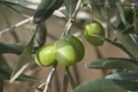
An olive tree is the ultimate way to bring a little slice of the Mediterranean right to your balcony or backyard. To really thrive, these beauties crave tons of sunshine. Since they’ve spent centuries adapting to the dry Mediterranean climate, they’re actually pretty good at handling drought. This often leads gardeners to wonder: do you even need to water an olive tree at all?
In the Ground vs. In a Pot
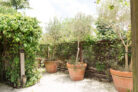
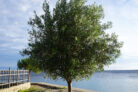
When it comes to hydration, the most important thing to remember is that an olive tree in your yard behaves differently than one growing wild in Greece or Italy. In the wild, their root systems spread out massively to find water. If you live in a mild climate and plant your tree directly in the ground, experts usually recommend keeping a seven-meter (about 23-foot) radius clear of other plants so those roots can do their thing. However, if you’re growing your olive tree in a pot, it has a much smaller root system and less soil to pull moisture from.
It’s All About the Temperature
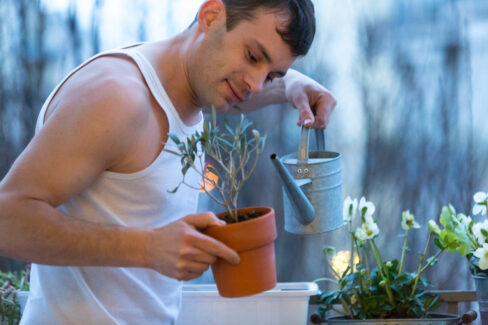
Just like most of our leafy friends, how often you grab the watering can depends on the weather. During a typical week with average temperatures, giving your olive tree a good soak once a week is usually plenty. If you’re hitting a major summer heatwave, you might need to bump that up to twice a week, since the soil in a container dries out much faster when the sun is blazing.
Avoid the “Flood” Mentality
Consistency is key here. If you realize you’ve neglected your tree and the soil is bone dry, don’t try to “make up for it” by drowning it in water. Olive trees are incredibly sensitive to standing water (wet feet). Overwatering leads to root rot, which will quickly turn those beautiful silvery leaves brown. If the roots stay soggy for too long, you might lose the whole tree.
Here’s the quick cheat sheet for watering your olive tree:
- Aim for once a week under normal conditions.
- Bump it up to twice a week during extreme heat.
- Always check that the water can drain freely to avoid root rot.
Pro Tip:
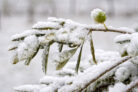
Don’t forget about your olive tree in the winter! While it needs significantly less water during its dormant phase than it does during the growing season, it can still dry out completely if left totally ignored for months. Keep an eye on it!