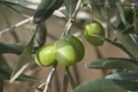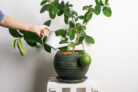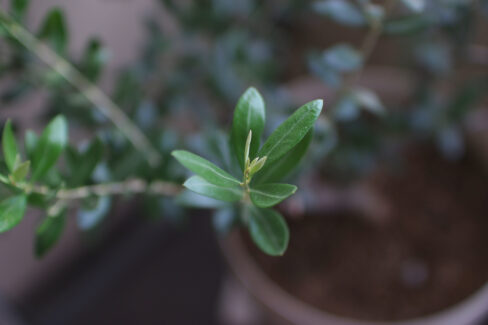
In the States, we usually keep our olive trees in pots rather than planting them directly in the yard. Unless you’re living in a super mild climate—like parts of California or the Deep South—our winters can be a bit too harsh for these Mediterranean beauties to stay outside year-round. Plus, olive trees are real space hogs in the garden; they generally need about 25 feet of breathing room from any neighboring plants to really thrive.
Olive Trees Aren’t Picky Eaters
So, what does their love for space have to do with fertilizer? Actually, quite a bit! It tells us that olive trees are used to the rocky, nutrient-poor soils of the Mediterranean. In the wild, they grow massive root systems just to hunt down a tiny bit of nutrition. Because they’re built to survive on so little, they’re actually very low-maintenance and don’t strictly *need* fertilizer to survive.
The Secret is in the Repotting
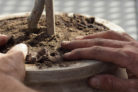
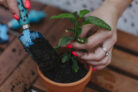
Since most of us are growing our olive trees in containers, the soil in that pot is eventually going to run out of steam. To keep your tree happy and healthy, you’ll want to repot it with fresh potting soil every two to three years. This refreshes the nutrient supply and gives those roots some room to move.
Giving Growth a Little Boost
Even though they’re tough, you can give your olive tree a little “extra credit” by using a fertilizer rich in nitrogen and phosphorus. Olive trees are notoriously slow growers, and a bit of plant food can help speed up those new shoots. Beyond just growth, fertilizing helps build up the tree’s “immune system,” making it more resistant to pests and diseases. This is especially helpful if your tree isn’t getting perfect sunlight or is stuck in a drafty spot—it gives it that extra strength to handle a less-than-ideal environment.
How to Fertilize Like a Pro
When it comes to picking a fertilizer, a standard balanced “all-purpose” fertilizer works great. You can use a liquid version and just mix it into your watering can every two weeks. If you’re looking for the low-effort route, slow-release fertilizer spikes or granules work wonders too. Just remember to only fertilize during the growing season: start in April and taper off by the end of September.
To wrap it all up, here’s the cheat sheet for fertilizing your olive tree:
- It’s not strictly necessary, but it definitely helps.
- Nitrogen and phosphorus will help your tree grow much faster.
- If using liquid food, aim for a feeding every two weeks.
- If you decide not to fertilize, make sure you refresh the potting soil every two to three years.