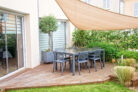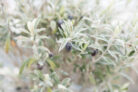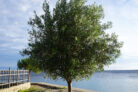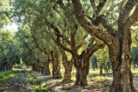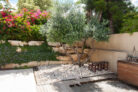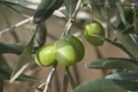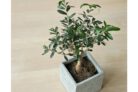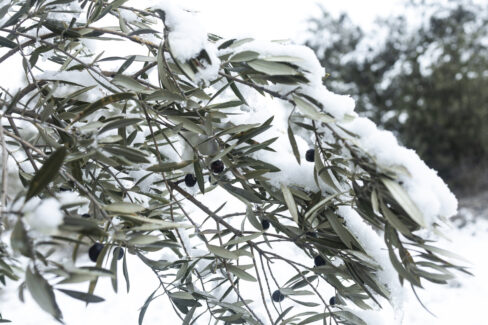
When you think of olive trees, your mind probably goes straight to the Mediterranean. We usually picture sprawling olive groves in Greece or Italy—places that are also world-famous for their wine. It makes sense, then, that if you live in a region with a mild climate (like a wine-growing area), you can actually plant olive trees right in your own backyard!
It’s All About Location
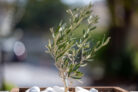
Beyond just having the right regional climate, your olive tree needs the perfect spot in your yard to thrive. First off, give it some breathing room! Olive trees love their space, so try to keep them at least 20 to 25 feet away from other large plants. When it comes to the soil, these trees aren’t too picky about nutrients, but they absolutely insist on a substrate that drains well.
Soak Up the Sun, Block the Wind
When picking out a spot, think “sunny and cozy.” Your olive tree wants as much direct sunlight as it can get throughout the day. They’re also not big fans of drafty areas, so try to find a sheltered nook where they’ll be protected from harsh winds.
How to Get Your Tree in the Ground
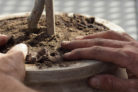
The best time to plant your olive tree is during the spring. This gives the tree the whole growing season to establish a solid root system before winter rolls around. When you’re digging, make the hole a bit larger than the root ball to ensure the surrounding soil is nice and loose. If your soil is particularly heavy or packed, mix in some sand and mature compost. Most importantly, add a drainage layer at the bottom of the hole using pebbles or broken clay shards. Olive trees hate “wet feet,” and this prevents water from pooling around the roots.
Low-Maintenance Vibes
Once your tree is settled in, it’s pretty much self-sufficient. You’ll only need to water it during exceptionally long dry spells. Other than that, just keep the area around the base of the trunk clear of weeds or grass so the tree doesn’t have to compete for resources.
To wrap it up, here’s your quick checklist for planting an olive tree:
- Only plant outdoors if you live in a region with a mild climate.
- Choose a sunny spot that’s well-protected from the wind.
- Always include a drainage layer in the planting hole to prevent waterlogging.